


Eastwood Canada for Restoration and Fabrication
A quarter panel covered in surface rust, a frame that has seen too many winters, or a new set of fabricated brackets all have one thing in common: shortcuts show up later. The right Eastwood Canada equipment and materials let you repair metal, protect it, and finish it with results that hold up beyond the first season.
For serious hobby builders and working shops, Eastwood is not just a paint-and-body name. The product range covers the real sequence of restoration work: stripping, cutting, welding, straightening, coating, painting, and maintaining the shop equipment that keeps the project moving. That matters when your build is not limited to one task.
Eastwood Canada Products Built Around the Job
https://www.gtpracing.com/
Buying automotive supplies by brand alone can lead to a shelf full of products that do not work together. Start with the repair you are doing, the material you are working with, and the finish standard you need. A driver-quality truck frame does not need the same prep and paint process as a show-car engine bay. A race car chassis needs durable coverage and access for inspection, while a restored classic may justify more time in blocking, priming, and color correction.
Eastwood products fit across those different standards because the lineup includes abrasives, rust-treatment products, primers, chassis coatings, paint equipment, welding machines, metal-shaping tools, powder-coating equipment, and shop tools. The benefit is practical: you can build a process instead of improvising one.
GTPRACING supports Canadian builders who need those restoration supplies alongside fabrication gear, engine parts, EFI hardware, and race-focused components. That combination makes sense for projects that move from a rusty shell to a running, tuned vehicle without changing suppliers every time the work changes.
Start Rust Repair With Clean, Stable Metal
https://www.gtpracing.com/rust
Rust repair starts with an honest assessment. Loose scale, perforation, old failing coatings, and contamination all require different work. If corrosion has thinned the panel or frame, coating over it is not a repair. Cut the damaged material out, fit sound replacement metal, and weld it properly before moving to coatings.
For solid metal with surface corrosion, mechanical cleaning is usually the first move. Wire wheels, stripping discs, abrasive blasting, and sanding each have a place. Blasting reaches pits, seams, brackets, and frame contours that hand sanding cannot reach. It also creates a clean profile for coatings, but it can warp thin body panels if pressure, media, and dwell time are wrong.
After cleaning, use a rust treatment or protective coating system suited to the application. Chassis parts, suspension components, floor pans, inner fenders, and engine-bay brackets face different heat, abrasion, moisture, and chemical exposure. Read the product requirements before you begin. Surface preparation, recoat windows, film thickness, and cure time are not minor details. They determine whether the finish sticks.
For a frame or underbody project, plan access before coating. Remove brake lines, fuel lines, wiring clips, and rubber components where possible. Masking around obstacles may save an hour now, but it often leaves bare edges and makes future service harder. Do the cleanup work once, then coat the entire component with a consistent process.
Choose Brush, Spray, or Aerosol Based on Access
https://www.gtpracing.com/product-page/rust-encapsulator-plus-extreme-chassis-black-satin-frame-restoration-kit-98461
Brush-applied coatings are useful for seams, complex brackets, and repairs where overspray is a problem. They can build a durable film, but application technique still matters. Heavy brush marks, missed edges, and uneven coverage are usually caused by rushing the first coat.
Spray-gun application gives better control over larger panels and makes it easier to produce an even finish. It demands clean air, the correct reducer or activator where required, proper gun setup, and enough ventilation. Aerosol products are convenient for small repairs, touchups, and difficult-access areas, but they are not automatically the best choice for a complete frame or large body panel. https://www.gtpracing.com/product-page/eastwood-cpro-undercoating-gun-includes-3-flexible-spray-wands-canada-19867
Fabrication Tools That Prevent Rework
Good fabrication starts with accurate layout. A quality cut made in the wrong location is still scrap. Mark centerlines, measure from fixed points, make templates for complicated shapes, and test-fit before final welding. This is especially important on patch panels, roll-cage tabs, engine mounts, intercooler brackets, and custom exhaust supports.
Eastwood metalworking equipment is useful because restoration fabrication often involves more than cutting flat steel. Bead rollers, shrinker-stretchers, brake tools, flanging tools, hammers, dollies, and English-wheel-style shaping equipment help builders create or repair pieces that are no longer available. The right tool can save a part that would otherwise require expensive replacement work. https://www.gtpracing.com/product-page/eastwood-canada-products-stand-for-21489-eastwood-elite-deep-jaw-shrinker
There is a trade-off. Specialty equipment pays off when you use it repeatedly or need better control over fit and shape. For a one-time repair, a simpler hand tool or a carefully planned outsourced operation may be the smarter spend. Buy tools that remove a genuine bottleneck in your shop, not tools that look impressive on a bench.
Welding Equipment Must Match the Material
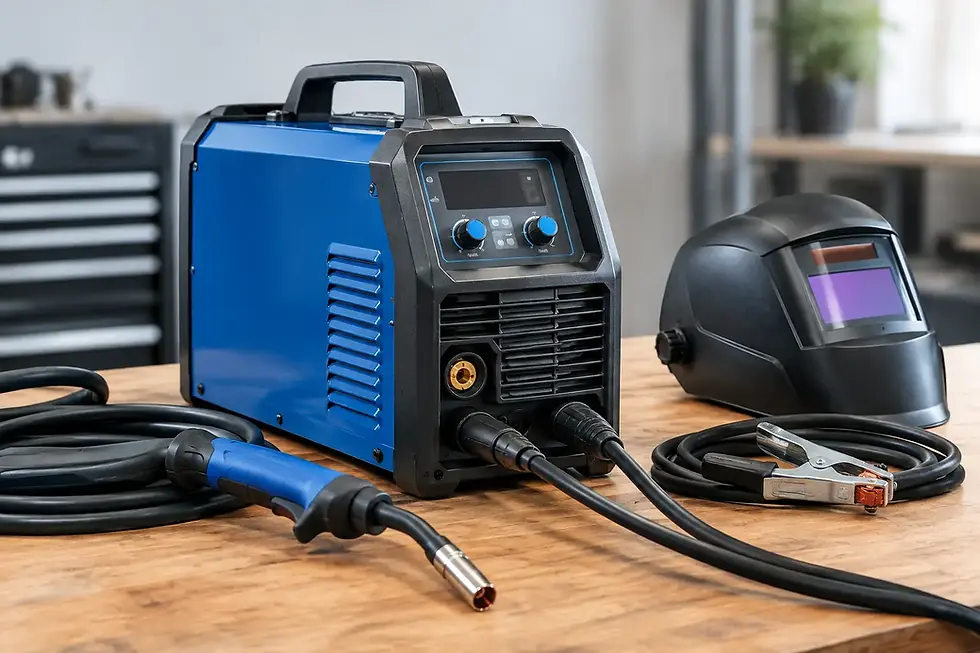
MIG welding is a practical choice for many steel repair and fabrication jobs. It is fast, approachable, and well suited to brackets, thicker structural components, and many patch-panel repairs. Thin automotive sheet metal requires heat control, short tack sequences, and patience. Long continuous welds will distort a panel quickly. https://www.gtpracing.com/welding
TIG welding offers more control for precision work, thin material, stainless, and aluminum, but it takes more practice and demands clean material. If you are building aluminum intercooler plumbing, fuel tanks, intake pieces, or detailed race-car components, TIG capability can be worth the learning curve. If you are repairing a truck cab corner, a properly set up MIG machine may be the faster tool.
Do not overlook consumables. Correct wire, filler rod, shielding gas, tips, nozzles, tungsten, clamps, and safety gear keep a welding job from stopping halfway through. A welder without the right accessories is not ready to work.
Paint Systems Need a Controlled Process
Paint failure usually starts before the color coat. Silicone, wax, oil, fingerprints, moisture in the air supply, poor sanding, and incompatible layers can all cause trouble. Clean the panel, follow the recommended sanding grit, use the correct primer for the substrate, and respect cure times. That basic discipline separates a durable repair from a finish that lifts or flakes.
For bare steel, epoxy primer is commonly used as a foundation because it provides adhesion and corrosion resistance when applied over properly prepared metal. High-build primer is used when you need to level sanding scratches, minor waves, and bodywork. They serve different jobs. Applying one where the other belongs creates more sanding and more risk, not a better finish.
Spray equipment also has to match the coating. Gun tip size, air pressure, fan pattern, material viscosity, and compressor capacity all affect the result. A small compressor may handle detail work and intermittent spraying, but it may struggle during full-panel or complete-vehicle painting. Water contamination in a compressed-air system can ruin an otherwise well-prepared job, so filtration and moisture control are worth the effort.
Powder coating is another strong option for brackets, wheels, suspension pieces, and small fabricated parts. It produces a tough finish when prep, grounding, powder application, and oven cure are handled correctly. It is not the answer for every part, though. Components with hidden cavities, heat-sensitive pieces, and assemblies that cannot be fully disassembled need careful consideration before they go into an oven.
Build a Shop That Can Finish Projects
The fastest way to stall a restoration is to treat shop equipment as an afterthought. Abrasive blasting cabinets, parts washers, lifts, dollies, welding carts, paint stands, air systems, and storage all affect how efficiently you work. A clean, organized workspace is not about appearances. It keeps grit out of fresh paint, prevents lost hardware, and makes it easier to repeat a process correctly.
Buy around your next few projects, not only the vehicle in front of you. A solid MIG welder, dependable compressor setup, blasting capability, quality masking supplies, and coating tools can serve years of truck restorations, classic builds, and race-car maintenance. More specialized tools can be added when the work justifies them.
Before ordering, make a parts-and-material list from start to finish. Include prep products, abrasives, cleaners, masking, coatings, application tools, safety equipment, and replacement consumables. That preparation keeps a simple Saturday repair from turning into a two-week delay while the vehicle sits half-stripped.
Do the job right at the metal-prep stage, choose products for the actual exposure they will face, and give every coating the cure time it requires. The finished vehicle will show the difference every time you open the hood, look underneath, or put it on the track.


Comments