


Rockwood Plasma-Cut 40 Amp Plasma Cutter Review
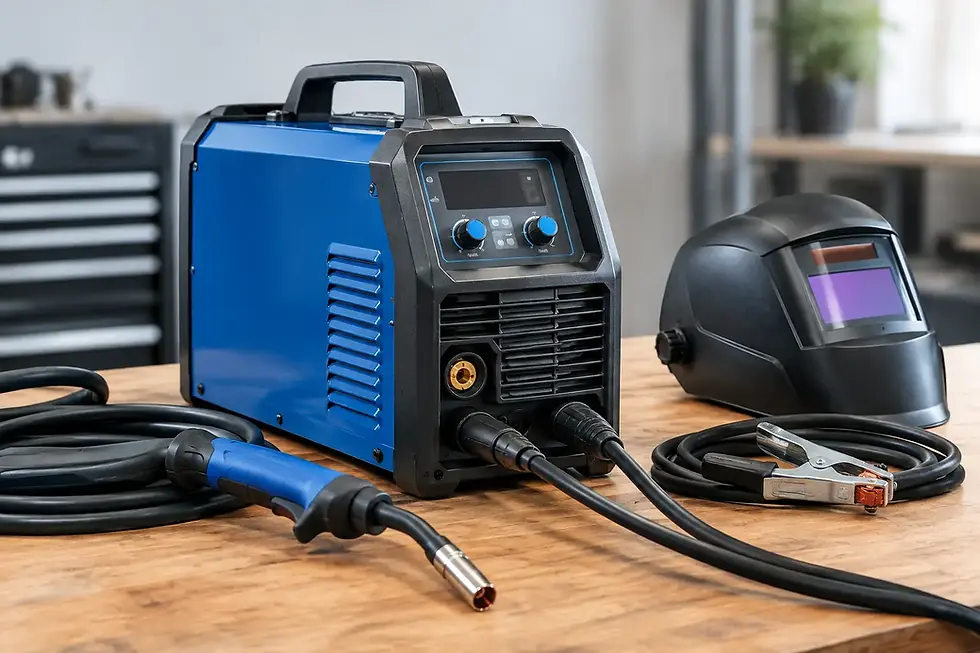
A cutoff wheel will get through rusty sheet metal, but it also throws heat, sparks, and abrasive dust into every corner of the job. The Rockwood Plasma-Cut 40 Amp plasma cutter is built for the work that comes next: cutting out floor-pan patches, trimming brackets, removing damaged sections, and making repeatable cuts without fighting a wheel through every change of direction.
For a home garage, restoration bay, or small fabrication shop, a 40-amp plasma cutter occupies a useful middle ground. It has enough capacity for common automotive steelwork while remaining far more practical than buying a large industrial machine for occasional heavy plate. The real question is not whether plasma cuts metal quickly. It does. The question is whether this cutter matches the thickness, power supply, air system, and type of work on your project.
Where a 40-Amp Plasma Cutter Earns Its Keep
Automotive fabrication is usually not about slicing thick structural plate all day. It is about controlled removal and accurate fit-up. Rust repair, body mounts, battery trays, frame brackets, exhaust hangers, roll-cage tabs, and patch-panel work all demand cuts that can be made close to a line and cleaned up quickly.
That is where a plasma cutter changes the pace of a project. It can pierce inside a panel, follow a layout line around a corner, and remove a section without needing room to swing a saw or wheel. When you are cutting a replacement patch from fresh sheet steel, the narrow heat-affected area also helps reduce the cleanup compared with a torch. There will still be heat, dross, and a cut edge to dress, but you are not needlessly heating a large area of thin body metal.
The Rockwood Plasma-Cut 40 Amp plasma cutter makes the most sense for fabricators who regularly work with thinner steel and need occasional capacity beyond sheet metal. A tool like this is not a substitute for a press brake, bead roller, band saw, or cutoff saw. It fills a different role: fast, flexible material removal when the part is too large, too awkward, or too irregular for fixed cutting equipment.
Rockwood Plasma-Cut 40 Amp Plasma Cutter: Best Uses
On a restoration project, use plasma where it saves time without compromising the panel you are trying to preserve. Cutting out a rusted trunk floor, opening a section of inner fender, separating old brackets, or roughing in a patch panel are all good candidates. Stay back from the final line, then finish the edge with a grinder or file for a tight weld gap.
For chassis and fabrication work, plasma is especially useful for trimming tabs, cutting gussets, shaping plate, and making access openings. Make cardboard templates first. Transfer the shape to steel, mark your cut path clearly, and clamp the material so it cannot move when the arc starts. A clean layout saves more time than trying to freehand a perfect contour.
It also works well when modifying brackets or shop-built fixtures. Instead of consuming cutoff discs on every small change, you can remove material quickly and move to fitting. That matters when building one-off parts, where the work is often cut, test-fit, adjust, and repeat.
There are limits. For ultra-thin exterior body panels, a pneumatic body saw, electric shears, or a cutoff wheel may provide more control and less risk of warping surrounding metal. For repeated straight cuts in flat sheet, a shear or band saw can leave a cleaner edge. Plasma is fast, but speed only helps when it is the right tool for the cut.
Air Quality Controls Cut Quality
A plasma cutter needs dry, clean compressed air. This is not a minor setup detail. Moisture and oil in the air can cause erratic arc behavior, shorten consumable life, and leave you with a rougher cut than the machine is capable of making.
Use an air supply that can meet the cutter's stated pressure and volume requirements, then give the air time to cool before it reaches the machine. A proper water separator close to the cutter is a smart baseline. Shops that run a compressor hard or work in humid conditions should consider additional filtration or drying equipment. Draining the compressor tank is basic maintenance, but it directly affects plasma-cutting performance.
Before starting a critical part, inspect the torch consumables. The electrode, nozzle, retaining cap, and other wear items need to be clean, correctly installed, and in serviceable condition. A worn nozzle can widen the arc and make a precise cut feel impossible. If the torch starts sputtering, the kerf gets unusually wide, or the cut leaves excessive dross, check air quality and consumables before assuming the machine has a problem.
Setup Matters More Than Most First Cuts
Start by reading the unit's manual for its input-power requirements, recommended circuit protection, grounding procedure, air-pressure specification, and rated cutting capacity. Do not guess at electrical setup. A plasma cutter that is underpowered at the wall or connected through an unsuitable extension cord will not perform as intended.
Connect the work clamp directly to clean base metal whenever possible. Paint, rust, scale, and poor clamp placement create resistance in the circuit and can lead to inconsistent cuts. On a coated frame or old body panel, grind a small bare-metal location for the clamp rather than clipping onto a questionable surface.
Set up on a stable surface with the work supported so the cut section can fall away safely. Keep the torch lead clear of sharp edges and hot metal. For straight cuts, use a guide clamped beside the cut line. You do not need expensive fixtures to improve accuracy. A straight piece of steel angle or flat bar can keep the torch moving steadily and reduce wandering.
Torch speed is the skill that separates a clean cut from a mess. Move too slowly and you build up dross, widen the cut, and put unnecessary heat into the work. Move too quickly and the arc may not fully penetrate the material. Watch the sparks under the plate. When they exit downward at a slight trailing angle, your speed is generally in the workable range. Sparks spraying back toward the top often mean the travel speed is too high or the material is beyond the setting you are using.
Cut Capacity Is Not the Same as Everyday Capacity
Every plasma cutter has a maximum advertised cut thickness, but that number does not tell the whole story. A machine may sever a thicker piece of steel under favorable conditions, yet the edge quality, travel speed, duty cycle, and consumable wear may not make that thickness practical for regular work.
For automotive use, that distinction is valuable. If most of your work is body steel, brackets, tabs, and moderate plate, a 40-amp unit can be a sensible fit. If your shop repeatedly cuts heavy plate for suspension fixtures, trailer fabrication, or industrial repairs, step up to a machine with greater output instead of forcing a smaller cutter to work at its limit.
Plan for cleanup regardless of thickness. Plasma-cut edges can carry dross and sharp burrs. A flap disc, carbide burr, file, or belt grinder should be part of the workflow. On weld joints, remove scale and dross completely before fitting the patch or bracket. Clean metal is easier to weld, and it gives your primer, epoxy, chassis coating, or topcoat a better foundation after the fabrication work is finished.
Safety for Garage and Shop Fabrication
Plasma cutting produces intense arc light, molten metal, fumes, and noise. Wear a properly rated welding helmet or plasma-cutting eye protection, gloves, nonflammable clothing, and closed-toe work boots. Keep exposed skin covered. The arc can burn faster than many people expect.
Remove fuel containers, solvents, rags, aerosol products, and flammable debris from the area before cutting. On a vehicle, pay attention to what is behind the panel. Fuel lines, wiring, insulation, seam sealer, interior trim, and undercoating can turn a quick repair into an expensive problem. Keep a fire extinguisher ready and inspect the area again after the work is done.
Ventilation is equally important. Galvanized, painted, coated, or contaminated steel can create hazardous fumes when cut. Strip coatings from the immediate cut zone where practical, use local fume extraction or strong shop ventilation, and avoid cutting unknown coated material in an enclosed space.
A Practical Addition to a Serious Tool Cart
The Rockwood Plasma-Cut 40 Amp plasma cutter is most valuable when it is treated as part of a complete metalworking setup. Pair it with dependable shop air, fresh consumables, a grinder for edge prep, clamps, layout tools, and the welding equipment needed to put the repair back together.
At GTPRACING, the goal is not to sell a tool that sits on a shelf. It is to help builders cut out the bad metal, fabricate the part that is missing, and get the project moving again. Set the machine up correctly, keep the air dry, and let plasma handle the cuts that would otherwise waste an afternoon on cutoff wheels.


Comments