


Eastwood Canada in Alberta for Real Builds
A rusty cab corner, a scaly frame rail, and a bare-metal patch panel all demand different products and different prep. When builders search for Eastwood Canada in Alberta, they are usually not looking for vague restoration advice. They need the right coating, tool, or paint-system component to keep a project moving and avoid doing the same job twice.
Eastwood products,https://www.eastwoodcanada.com/ fit the kind of work Alberta vehicle owners know well: truck restorations, classic muscle cars, off-road rigs, trailers, shop repairs, and race-car fabrication. Winter road treatment, temperature swings, stored vehicles, and hard use can turn small corrosion issues into serious metalwork fast. The answer is not one magic can. It is a sound process, matched products, and proper surface preparation.
Eastwood Canada in Alberta for Restoration Work
The best product choice starts with the condition of the part. Surface rust on a removable bracket is not the same as corrosion hiding inside a rocker panel or damage on a truck frame. Before ordering supplies, identify whether you are cleaning, repairing, sealing, priming, or applying a final finish.
For solid metal with light to moderate corrosion, mechanical cleaning comes first. Wire wheels, abrasive discs, stripping tools, and blasting equipment remove loose scale and expose what is actually left underneath. A coating applied over flaky rust is only as good as the loose material below it. If a screwdriver can punch through the metal, stop treating and start cutting.
Eastwood rust treatment,https://www.eastwoodcanada.com/rust-system and encapsulating products https://www.eastwoodcanada.com/rust-encapsulator are useful after the metal has been cleaned to a stable surface. They help seal remaining oxidation in areas where perfect blasting access is unrealistic, such as frame seams, suspension brackets, underbody components, and complex cast parts. They are not a replacement for welding in fresh steel where the panel has thinned out.
Internal corrosion needs its own plan. Boxed frames, rocker panels, doors, cab corners, and crossmembers rust from the inside out because moisture and debris stay trapped. Internal frame coatings with extension wands are built to reach areas that a spray gun, brush, or standard aerosol cannot. Access holes, drain paths, and coverage matter here. Spraying product into a closed section without checking for water traps can leave the root cause untouched.
Build the Coating System Around the Part
A frame, engine bay, floor pan, and exterior body panel should not all be finished the same way. Their exposure, appearance requirements, and service needs are different.
Frames, suspension, and underbody parts
Chassis components need a finish that stands up to moisture, chips, road grime, and regular cleaning. Start with degreasing, then remove rust and failed paint through blasting or mechanical abrasion. Repair damaged sections before coating, https://www.eastwoodcanada.com/product-page/eastwood-rust-encapsulator-platinum-rust-sealer-rouille-matte-rust-remover-black because welding after final paint creates extra cleanup and contamination.
A chassis coating system makes sense for frames, control arms, brackets, axle housings, crossmembers, and underbody parts. Choose the finish level based on the build. A correct restoration may call for satin or factory-style black, while a custom build may need a more uniform gloss. The trade-off is simple: higher gloss can look sharp but tends to show dirt, scratches, and imperfect prep more clearly.
Engine bays and small parts
Engine bays are exposed to heat cycles, fuel residue, brake fluid, cleaners, and tool marks. Chemical resistance matters, but so does cleanability. For brackets, pulleys, valve covers, and fabricated mounts, powder coating can be a strong option when the part can tolerate curing temperatures and can be fully stripped beforehand.
For parts that cannot be baked or need easier touch-up, paint systems are often the better call. Proper primer choice is critical over bare steel, aluminum, old finishes, and body filler. Do not assume one primer works equally well on every substrate. Read the application windows and allow the required cure time before sanding or topcoating.
Body panels and repair sections
Bodywork demands patience. Bare metal needs protection quickly, especially in a shop where humidity and temperature change. Epoxy primer is commonly used as a corrosion-resistant foundation after stripping or metal repair, followed by filler work, surfacer, blocking, sealer, and topcoat as required by the paint system.
The shortcut that causes trouble is mixing incompatible products without checking the technical data. A primer, seam sealer, aerosol topcoat, and catalyzed paint may each have different recoat windows and solvent behavior. Build the stack correctly before spraying the first panel, not after the finish starts lifting.
Fabrication Tools That Prevent Bad Repairs
Rust repair is often a fabrication job disguised as a paint job. If the original metal is gone, coatings cannot bring strength back. That means cutting out damaged sections, shaping replacement steel, welding it properly, and protecting both sides of the repair.
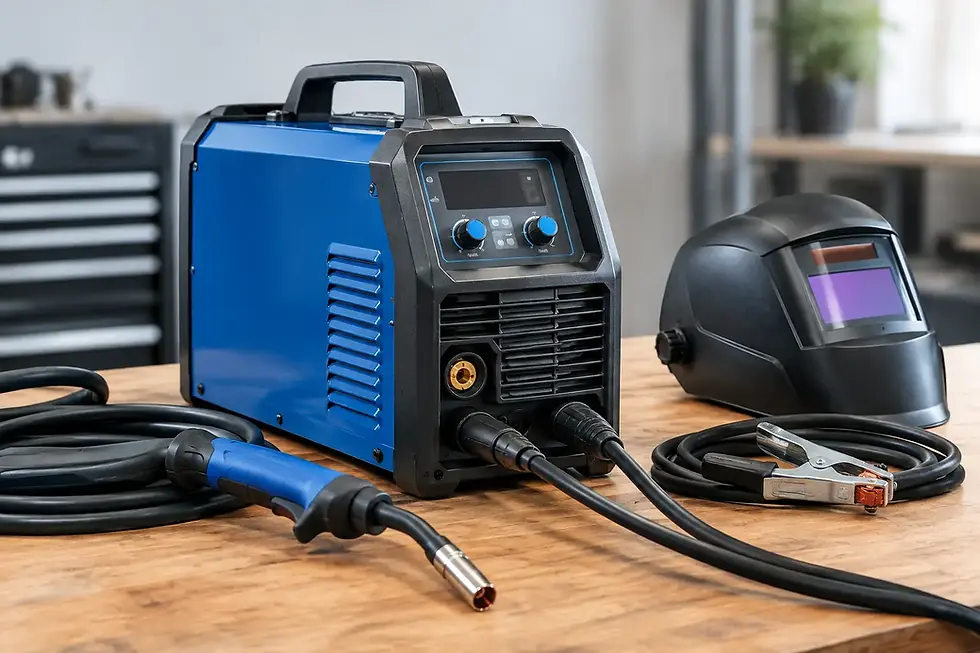
Eastwood equipment ,https://www.eastwoodcanada.com/shop-equipment is a practical fit for the home builder or small shop working through this sequence. Metal brakes, bead rollers, shrinker-stretchers, sheet-metal tools, spot-weld cutters, weld-through supplies, and panel-prep equipment help turn a rough patch into a repair that fits. The tool selection depends on the work volume. A one-time cab corner repair may only require basic cutting, clamping, and welding tools. Rebuilding multiple trucks or fabricating race-car panels justifies heavier shop equipment.
Good fit-up beats excess weld. Large gaps force more heat into thin sheet metal, which increases distortion and grinding time. Take time to trim the patch, use proper clamps, and make short, controlled welds. Once the repair is complete, clean the weld zone, seal lap joints where appropriate, prime exposed metal, and coat the backside before it becomes inaccessible.
Paint Prep Is Where the Finish Is Won or Lost
Most paint failures are prep failures. Contamination, poor sanding, trapped moisture, and rushed cure times will show up eventually, even if the panel looked good when it left the booth or garage.
Use a dedicated cleaner,https://www.eastwoodcanada.com/product-page/eastwood-canada-pre-painting-prep-10594zp before sanding and again before paint. Keep silicone, wax, oil, and shop dust away from the panel. Sanding scratches need to match the product being applied. Too coarse, and scratches may print through. Too fine, and some coatings may not achieve the mechanical adhesion they need.
Air supply is another overlooked issue. A compressor pushing water or oil into the line can ruin a finish and waste expensive material. Use proper filtration, drain the compressor, and make sure the spray equipment is clean. If you are spraying a catalyzed coating, use the correct respirator and follow every safety requirement. A garage build does not make paint chemistry less serious.
Choosing Eastwood Products for Alberta Projects
Buying Eastwood Canada in Alberta should be based on application, not just a popular product name. Start with the project area and work backward. Is it exposed to stone chips? Is it inside a boxed section? Will it see engine heat? Does it need a show-quality finish, or does it need to survive winter driving and gravel roads?
For a practical restoration order, group supplies by workflow: surface cleaning and abrasion, rust repair and metalwork, primers and sealers, coatings or paint, then application and safety equipment. This avoids the common problem of having paint on the shelf but no compatible primer, reducer, spray gun cups, masking materials, or abrasives to finish the job.
GTPRACING supports builders who need restoration supplies alongside fabrication equipment and performance hardware. That matters when one project includes frame refinishing, engine-bay cleanup, a fuel-system upgrade, and race-ready electronics. Keeping the build plan organized helps prevent wasted shipping, mismatched products, and stalled weekends in the shop.
Do the Job Right Before You Cover It Up
The best-looking chassis paint cannot save rusted-through steel, and the best primer cannot compensate for oil-contaminated metal. Inspect the part, repair what has failed, clean aggressively, and use each product where it belongs. That approach takes longer than spraying over a problem, but it is what keeps a restoration or performance build worth looking at years down the road.
Start with the condition of the metal, choose the system for its actual environment, and give every coat the prep and cure time it requires. That is how rusty parts come back to life without becoming next season's repair.


Comments