


Eastwood Products in St. Jean-Richelieu, QC
A rusty frame, thin floor pan, or tired engine bay does not need a shortcut. It needs the right prep, coating, and equipment from the start. When you need Eastwood products in St Jean Richelieu, the goal is simple: buy products that match the work in front of you, whether you are reviving a classic truck, repairing a daily driver, building a custom chassis, or setting up a serious home shop.
Eastwood has built its name around the jobs that determine whether a restoration lasts or starts failing after one season. Rust treatment, chassis coatings, metalworking tools, paint systems, abrasive blasting equipment, and welding gear all serve a purpose. The key is choosing the system instead of grabbing one product and hoping it fixes every problem.
Eastwood Products in St. Jean-Richelieu for Real Shop Work
https://www.eastwoodcanada.com/?currency=CAD
Restoration work is a sequence. Surface prep comes before coating. Metal repair comes before body filler. Proper masking, gun setup, and temperature control come before paint. Skipping steps may save an afternoon, but it can cost a complete redo when coating lifts, rust returns, or a repair panel warps.
For builders in and around St. Jean-Richelieu, sourcing Eastwood products through a performance and restoration-focused supplier makes sense because the project often moves from one discipline to another. You may start by blasting a suspension component, repair a bracket with a MIG welder, coat the part, then move on to paint correction or engine-bay detailing. A supplier that understands the full job helps keep the build moving.
GTPRACING serves customers who need restoration supplies without giving up access to the performance hardware that belongs in the same build. That matters when a clean, protected chassis is eventually receiving upgraded fuel, ignition, EFI, or race components.
Start With Rust Repair and Surface Preparation
Rust is not just a cosmetic problem. On floor pans, frame rails, suspension mounts, and inner fenders, it can become a structural issue. Before selecting a coating, determine what is actually left of the metal. Solid metal with light surface oxidation needs a different approach than deeply pitted steel or a panel that has rusted through. https://www.eastwoodcanada.com/rust-system?currency=CAD
Mechanical preparation is usually the first hard truth of the job. Wire wheels, stripping discs, abrasives, and blasting media remove loose scale, failed coatings, and contaminants. Abrasive blasting is especially useful for irregular shapes such as control arms, wheels, brackets, crossmembers, and frames because it reaches corners that a grinder cannot.
Blasting is not always the right answer. Thin exterior panels can distort if heat and pressure are poorly controlled. On a hood, roof, or large door skin, use the proper media, keep the nozzle moving, and work with restraint. For heavily corroded structural parts, blasting reveals the real condition of the steel - which is exactly what you need before deciding whether to repair or replace it. https://www.eastwoodcanada.com/product-page/the-eastwood-canada-b60-abrasive-media-blast-cabinet-98019?currency=CAD
After prep, use a rust treatment or encapsulating coating suited to the surface and its future exposure. Bare metal, previously painted metal, and tight rust each require different preparation. Read the coating directions, pay attention to recoat windows, and do not apply over oil, silicone, dust, or loose corrosion. The product is only as durable as the surface beneath it.
Frames, Underbodies, and Suspension Parts
Frames and underbodies take abuse from water, road grit, salt, stones, and heat cycles. A chassis coating system should be selected for durability, adhesion, and the appearance you want. Gloss can look sharp under a clean build, while satin and matte finishes can better match an OEM-style restoration. https://www.eastwoodcanada.com/product-page/eastwood-products-paint-tools-coating-spray-rust-remover-welder-14145z?currency=CAD
Do not coat over bad welds, loose scale, or damp seams. Clean the area, repair any weak metal, seal areas where appropriate, then apply compatible primer and topcoat as the system calls for. On boxed sections and internal frame rails, cavity protection is just as important as the visible exterior finish. Rust often begins where you cannot see it. https://www.eastwoodcanada.com/product-page/chassis-pre-painting-eastwood-rust-encapsulator-rust-sealer-rouille---gtpracing?currency=CAD
Metal Fabrication Requires the Right Equipment
A repair panel that fits poorly becomes an expensive problem after paint. Good fabrication equipment gives you control over cuts, bends, beads, flanges, and weld placement. That applies to a one-off battery tray as much as it does to a full floor-pan replacement.
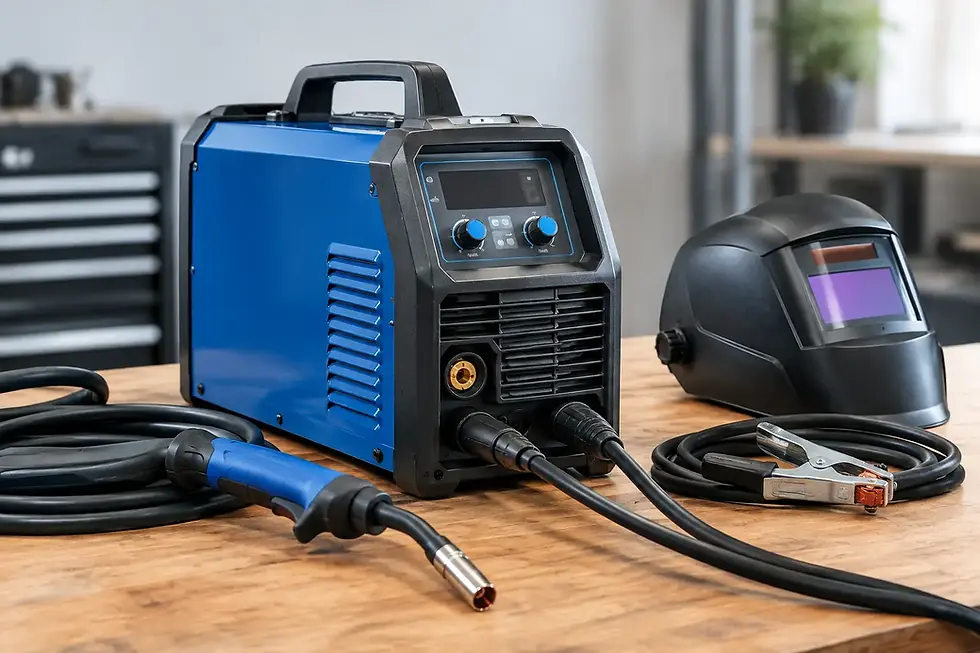
For basic sheet-metal repair, a quality MIG welder, welding helmet, clamps, cut-off tools, and metal finishing equipment cover a lot of ground. A TIG welder becomes valuable when appearance, heat control, and thinner material work matter. TIG is slower and requires more practice, but it offers precise control for aluminum, stainless, and clean custom work. https://www.eastwoodcanada.com/shop-equipment?currency=CAD
The best welder depends on your project, power supply, material thickness, and skill level. A high-output machine is not automatically better for patching quarter panels. Too much heat will warp thin sheet metal quickly. Set the machine for the material, practice on scrap, make short stitch welds, and let the panel cool between passes.
Fabrication tools such as shrinker-stretchers, bead rollers, brake tools, planishing hammers, and tubing equipment are worth considering when you are making parts rather than simply replacing them. They do not replace skill, but they make repeatable, professional work possible. If you build more than one project, buying the correct equipment often makes more sense than fighting improvised tools every weekend.
Paint and Powder Coating: Prep Decides the Finish
Fresh paint can make a project look finished, but paint will expose poor preparation immediately. Fish eyes, solvent pop, dry spray, poor adhesion, and uneven gloss are usually process problems. Cleanliness, air supply, gun setup, mixing accuracy, and flash times all matter.
Eastwood paint products and equipment can support everything from small component refinishing to full vehicle work. For brackets, engine accessories, suspension pieces, and smaller fabricated parts, aerosol and brush-on options can be practical. For panels and full resprays, a proper spray gun, compatible primer, paint materials, masking supplies, and a controlled workspace produce better results.
Powder coating is a strong option for parts that need a tough, uniform finish, including wheels, brackets, valve covers, suspension pieces, and shop-made components. It requires clean bare metal, proper grounding, and enough oven capacity for the part. Powder coating is durable, but it is not magic. Sharp edges, contamination, and poor prep can still create failures.
Consider future service before choosing a finish. A powder-coated suspension arm may look excellent, but any later welding or modification requires stripping the coating back. For frequently revised race parts, a paint or coating system that is easier to touch up may be the more practical choice.
Build a Complete System, Not a Cart Full of Random Products
The smartest purchase is not always the cheapest can, tool, or machine. It is the product that works with the rest of the process. Primer compatibility, topcoat requirements, blasting media, compressor capacity, welder duty cycle, and safety gear should all be considered before the order is placed.
If you are setting up for abrasive blasting, confirm that your compressor can maintain the required air volume. If you are painting, add water filtration and proper respiratory protection to the budget. If you are welding, include consumables, tips, wire or filler rod, gas, clamps, and protection for nearby glass, wiring, and interior surfaces. The accessories are not optional afterthoughts - they are what keep the job from stopping halfway through.
For Canadian builders, seasonal conditions are another real factor. Cold temperatures and humidity can affect coating cure times and paint results. Plan coating work around the product's specified temperature range, and avoid assuming a heated garage is automatically clean, dry, and well ventilated enough for spraying.
A restoration is won in the details nobody sees: clean metal behind a patch panel, protected seams inside a frame rail, proper weld penetration, and a coating system applied in the right order. Buy for the actual job, prepare without cutting corners, and your finished vehicle will have the durability to match the work you put into it.


Comments