


Where Can I Buy Eastwood Products in Ontario?
If you are asking, “where can I buy Eastwood products in Ontario,” the real question is usually bigger than finding one can of coating or one hand tool. You need the right product for the metal condition, the job size, your equipment, and the finish you expect when the vehicle goes back together. Buying from a Canadian automotive restoration and performance supplier gives Ontario builders a practical way to source Eastwood coatings, fabrication tools, paint equipment, welding gear, and shop supplies without piecing a project together from random vendors.
GTPRACING supplies Eastwood products for customers working on classic restorations, truck builds, race cars, engine bays, chassis work, and custom fabrication. Whether you are stopping corrosion on a bare subframe or setting up a small shop to paint panels, start with the application. That keeps you from ordering products that sound right but do not match the work in front of you.
Where Can I Buy Eastwood Products in Ontario for Real Projects?
Ontario customers can buy Eastwood products online through a Canadian-focused performance and restoration retailer, then have the correct materials shipped directly for the job. This matters when your project involves more than a single item. A frame coating job may also require cleaners, wire wheels, brushes, abrasives, masking materials, spray equipment, and protective gear. A paint job may require prep products, primers, reducers, guns, filters, and polishing supplies.
Local parts counters can be useful for emergency consumables, but they are not always set up for specialized restoration coatings, powder-coating equipment, metal-shaping tools, or fabrication accessories. Availability also changes quickly. Before you build a work plan around a product, check the current product listing, package size, fitment details where applicable, and stock status.
For Ontario DIY builders and small shops, ordering from a source that understands both restoration and performance work cuts down on bad assumptions. Rust repair, chassis coating, MIG welding, EFI installation, and race-car wiring are different jobs, but they often happen on the same build. It helps to buy from a supplier that recognizes the whole workflow.
Match Eastwood Products to the Work You Are Doing
Eastwood is not one category. The product line covers the messy, time-consuming parts of restoring and building vehicles: cleaning old metal, removing rust, coating frames, shaping panels, welding repairs, applying paint, and improving shop capability. Buy by application, not by brand name alone.
Rust repair, prevention, and chassis work
For rusty floors, brackets, suspension pieces, inner fenders, and frames, begin with an honest inspection. Surface rust, heavy scale, perforated metal, and old failing coatings require different levels of prep. No coating can turn thin, rusted-through steel into sound metal. Cut out compromised sections, weld in proper replacement steel, then prepare the surrounding area before coating.
For solid parts with corrosion, use the appropriate mechanical cleaning method first. Wire wheels, abrasive discs, needle scalers, blasting equipment, and hand abrasives all have their place. The right choice depends on access, the thickness of scale, and whether the part can be removed from the vehicle. Once the metal is clean and dry, select a coating system intended for the temperature, exposure, and abuse that area will see.
Frames and suspension components need more than a finish that looks good on day one. They deal with water, salt, gravel, brake dust, road debris, and repeated heat cycles. Engine-bay brackets may need chemical resistance and a clean appearance. Underbody sections may require a tougher, more protective approach. Do the prep correctly and choose the coating for the environment, not just the color chip.
Fabrication and welding equipment
If the repair has moved beyond sanding and coating, the right tools make the difference between a clean repair and a patch that creates more work later. Eastwood fabrication equipment can support sheet-metal repair, custom panel work, exhaust fabrication, brackets, roll-bar related projects, and general shop repairs.
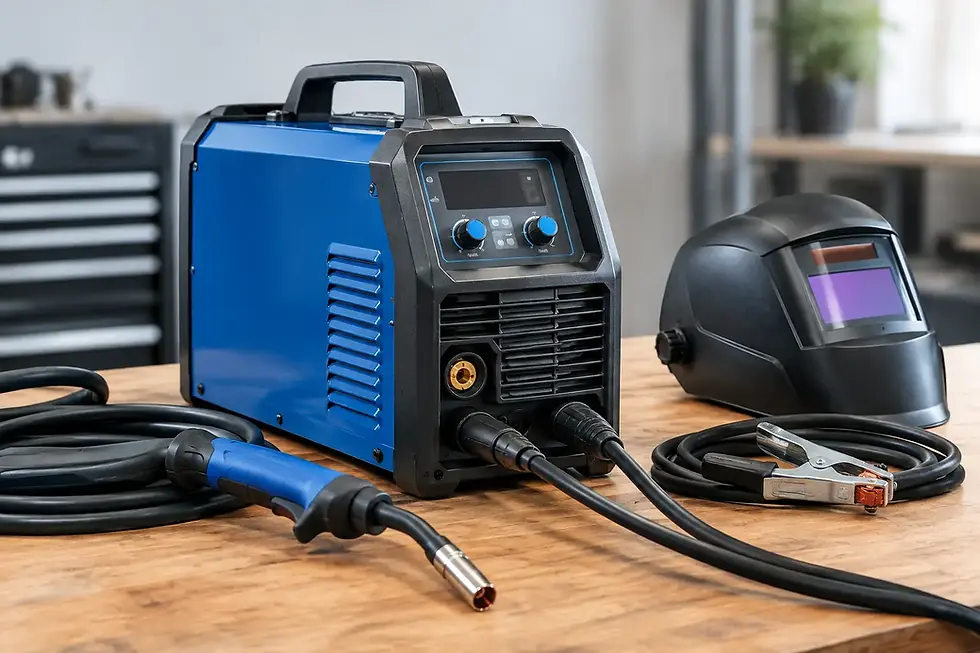
A MIG welder is often the practical starting point for automotive sheet metal and brackets. TIG offers better control for thinner material, aluminum, stainless, and finish-sensitive fabrication, but it demands more skill and a cleaner setup. Plasma cutters, metal brakes, bead rollers, shrinker-stretchers, and planishing tools can save hours when you are building pieces instead of trying to force flat sheet into a complex shape.
Do not buy a welder based only on maximum output. Consider your available power, the material thickness you work with most often, consumable availability, duty cycle, and whether you need spool-gun capability. Also budget for helmets, gloves, clamps, tungsten or wire, gas fittings, tips, and replacement consumables. The machine is only part of a usable welding setup.
Paint systems and finishing supplies
Painting a hood, a complete car, or a set of engine-bay parts calls for different equipment and product choices. A small touch-up can be handled with a simple solution, while a full refinish requires clean air, proper masking, reliable spray equipment, and a controlled place to work. Skipping those basics usually shows up as contamination, dry spray, poor adhesion, or an uneven finish.
For restoration work, surface preparation drives the result. Degrease before sanding, remove dust after sanding, and make sure primer and topcoat are compatible. If you are spraying over repaired metal, epoxy primer can be a key step in a properly planned system. For a driver-grade project, durability and ease of repair may matter more than a show-level finish. For a high-end restoration, panel straightness, primer blocking, and spray environment deserve more time and budget.
Powder coating is another option for brackets, wheels, suspension pieces, and smaller parts that can be removed from the vehicle. It can produce a durable finish, but it requires correct part preparation, clean metal, curing capability, and enough space to work safely. It is not automatically the best answer for every part. Consider heat exposure, part size, future repair needs, and whether the piece can be fully stripped and cleaned before coating.
What to Check Before You Order
A good order starts with a clear job list. Measure the area, identify the substrate, and decide whether you are repairing, protecting, refinishing, or fabricating. That sounds basic, but it prevents common mistakes like ordering too little coating for a complete chassis or buying a paint gun before confirming that your compressor can supply the air it needs.
Check the product description for intended use, coverage, cure requirements, mixing instructions, and compatible accessories. Package size matters. Small kits make sense for brackets and spot repairs, while large projects can burn through aerosols and small containers fast. Buying too little often costs more once additional shipping and delays are factored in.
Also consider Ontario weather and workspace conditions. Cold garages, humidity, poor ventilation, and dusty work areas affect coating and paint results. Some products need minimum temperatures to cure properly. Others require strict mixing ratios or limited working time after activation. If the shop is not ready, wait until it is. Materials are cheaper than redoing a failed finish.
For welding and fabrication orders, confirm machine power requirements and the accessories needed to put it to work immediately. For paint and coating orders, make sure you have appropriate respirator protection, gloves, eye protection, masking supplies, and a safe ventilation plan. The job is not complete if the finish is good but the process was unsafe.
Buy for the Build You Want to Finish
There is no single “best” Eastwood product for every Ontario vehicle project. A salted daily-driver truck frame, a clean weekend cruiser, a race-car engine bay, and a hand-built custom panel each need a different approach. The right purchase is the one that fits the metal condition, the environment, your tools, and the standard you are building toward.
Start with the next operation, not the entire dream list. Get the metal clean, make the repair sound, choose materials designed for that area, and have the accessories on hand before you open the first can or strike the first arc. That is how rusty parts come back to life and how projects keep moving instead of sitting in the corner waiting on one missing piece.


Comments