


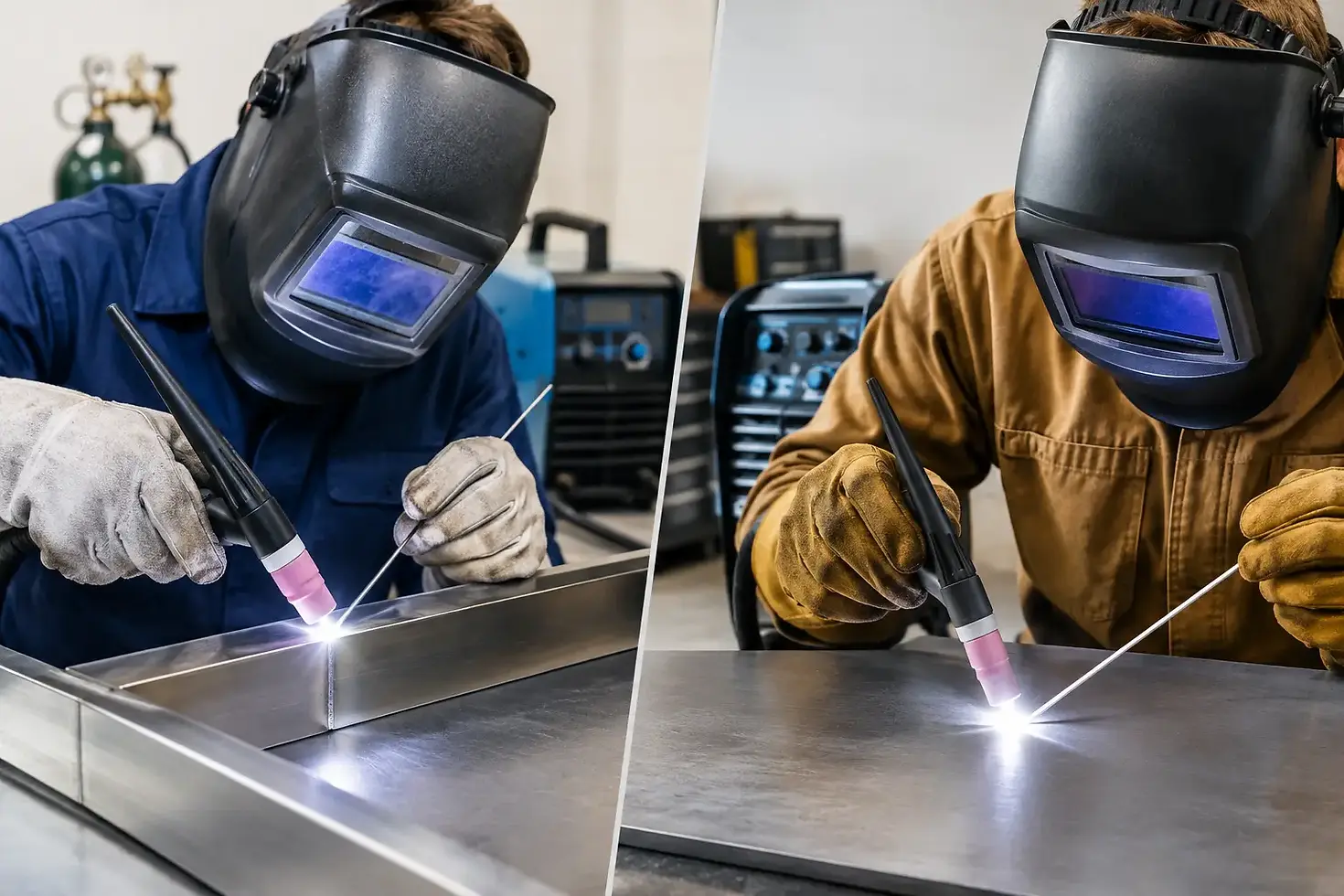
AC TIG Versus DC TIG: Which Welder Do You Need?
A cracked aluminum intake, a set of stainless exhaust tubes, and a chromoly roll cage do not belong on the same TIG setting. The AC TIG versus DC TIG decision controls arc behavior, penetration, oxide cleaning, tungsten life, and ultimately whether the finished weld looks ready for paint or ready for a grinder. https://www.gtpracing.com/product-page/multi-process-mig-tig-stick-welding-machine?currency=CAD
For automotive fabrication, the simple answer is this: DC TIG is the working current for steel, stainless, and chromoly. AC TIG is the normal choice for aluminum and magnesium. The useful answer is more detailed, because machine capability, material condition, joint design, and your own welding range should drive the purchase.
AC TIG Versus DC TIG: The Core Difference
https://www.gtpracing.com/product-page/eastwood-180-amp-mig-welder-with-included-spool-gun?currency=CAD
TIG welding uses a non-consumable tungsten electrode to create the arc while shielding gas, usually argon, protects the weld puddle. The current type changes the way that arc transfers heat and deals with surface contamination.
With DC TIG, the torch is normally set to DCEN, or direct current electrode negative. Most of the heat is concentrated in the base metal rather than the tungsten. That produces a stable, focused arc with strong penetration and keeps the tungsten from overheating. It is the setup used every day for mild steel brackets, stainless tubing, chromoly chassis work, steel fuel tanks, and repair work on clean ferrous metal.
AC TIG alternates between electrode negative and electrode positive. The electrode-negative half cycle provides penetration. The electrode-positive half cycle helps break up aluminum oxide at the weld zone. That oxide layer is the reason aluminum requires a different approach. Aluminum oxide melts at a far higher temperature than the aluminum below it, so a puddle can collapse before the dirty oxide skin has been properly cleaned away.
That cleaning action is why AC TIG is the standard for aluminum valve covers, intercooler tanks, radiator components, intake runners, trailer repairs, and fabricated aluminum panels. It is not just a matter of selecting a different button on the machine. AC gives the welder a way to balance cleaning and penetration for the material in front of them.
Why DC TIG Owns Steel and Chromoly Work
DC TIG is precise. Its arc is narrow, predictable, and easy to direct into a tight joint. That matters when you are welding thin wall stainless headers, repairing a cracked steel bracket near a finished panel, or building a chromoly cage where fit-up and heat control are not optional. https://www.gtpracing.com/product-page/eastwood-canada-tig-200-ac-dc-welder-33920?currency=CAD
For most automotive steel work, DCEN with 100 percent argon is the starting point. A sharpened tungsten helps keep the arc focused, particularly on thin material and outside corners. Amperage still depends on thickness, joint type, and travel speed, but the process itself is straightforward once the metal is clean and properly fitted.
Chromoly deserves extra discipline. TIG provides excellent control for chassis tubing, but the weld quality is only part of the job. Use the correct tubing, filler, joint preparation, and procedure for the application. A race chassis is not the place to learn heat management on scrap tubing and hope the bead looks acceptable.
DC TIG also works well on stainless, although heat tint and warping need attention. Back purging is often necessary on exhaust tubing, headers, and tanks where the inside of the weld matters. A clean outside bead does not make up for oxidized, contaminated weld metal on the back side of a critical stainless joint.
Why Aluminum Usually Calls for AC TIG
Aluminum conducts heat quickly, pulls heat away from the arc, and forms oxide immediately. Those three facts explain why an aluminum repair that looks simple can turn into a mess fast. AC TIG addresses the oxide layer while still delivering usable penetration into the parent metal.
Modern AC TIG machines give you more control than older transformer units. AC balance adjusts how much time the arc spends on cleaning versus penetration. More electrode-negative time generally gives better penetration, a tighter arc, and less tungsten heating. More electrode-positive time increases cleaning action, but it broadens the arc and adds heat to the tungsten.
For clean, new aluminum, you usually want enough cleaning to remove the oxide without washing out the puddle. For cast aluminum, dirty repairs, or material with stubborn oxidation, more cleaning may be necessary. Do not use machine settings to compensate for poor preparation if you can avoid it. Degrease the part, remove coatings, use a dedicated stainless brush, and clean the joint immediately before welding.
AC frequency is another useful adjustment. Higher frequency can tighten and stabilize the arc, which helps on fillets, corners, and detailed fabrication. Lower frequency creates a softer, wider arc that may be useful on thicker material. There is no magic number that works for every job. Start with a sensible baseline, watch the puddle, and adjust one variable at a time.
Can You Weld Aluminum With DC TIG?
https://www.gtpracing.com/product-page/eastwood-canada-tig-220-ac-dc-welder-74010?currency=CAD
Yes, but that does not mean it is the best general-purpose method. DC TIG can weld aluminum under controlled conditions, especially with very clean material, proper shielding gas choices, and experienced technique. Helium blends can add heat and help with thicker aluminum, but they increase cost and require more gas flow and a capable setup.
For the typical shop or home fabricator, DC aluminum TIG is a specialty approach, not a replacement for AC. It offers little forgiveness when oxide or contamination is present. If aluminum repair and fabrication are part of your regular workload, buy an AC/DC TIG machine rather than trying to force a DC-only unit into jobs it was not designed to handle.
A DC-only TIG welder still makes sense if your work is almost entirely steel, stainless, and chromoly. It can be a strong value for exhaust fabrication, brackets, chassis tabs, and repair work. Just be honest about what you will need six months from now. Buying a machine twice costs more than buying the right machine once.
Machine Features That Matter in an Automotive Shop
Output current matters, but it should not be the only number you compare. A machine that welds thin sheet beautifully may not have enough capacity for a thick aluminum bracket, cast suspension component, or heavy radiator tank. Duty cycle also matters when you are working through a long fabrication day instead of making a few short test beads.
When comparing an AC/DC TIG machine, look beyond the advertised amp rating. Four features make a real difference in automotive work:
AC balance and frequency control for aluminum cleanup and arc shaping.
Foot pedal compatibility for controlling heat as part thickness and fit-up change.
High-frequency start for clean arc starts without scratching the tungsten into the work.
Pulse control for heat management on thin stainless, sheet metal, and detailed work.
https://www.gtpracing.com/welding?currency=CAD
Pulse is useful, but it will not fix bad fit-up. A tight joint, clean metal, correct filler, and stable torch position matter more than a panel full of settings. The same goes for water cooling. A water-cooled torch becomes valuable during sustained higher-amperage aluminum work, while an air-cooled torch is often enough for lighter fabrication and intermittent repairs.
Do not confuse the machine's input power with welding output type. Many TIG machines plug into single-phase AC wall power, yet produce DC output for steel welding. When shopping, verify that the welder specifically offers AC output if aluminum TIG is on your project list.
Setup Matters as Much as Current Type
A capable machine cannot overcome contaminated material. Aluminum is especially unforgiving around oil, coolant residue, old paint, silicone, powder coating, and embedded shop dirt. Cast parts can be worse because contamination may be trapped below the surface. Clean aggressively, preheat only when appropriate, and expect some repairs to require grinding out contaminated material before they will weld correctly.
Use dedicated tools for aluminum. A brush used on rusty steel should never touch a clean aluminum joint. Keep filler rods clean and dry, and select filler based on the base material and service conditions. Common aluminum fillers such as 4043 and 5356 do not behave the same way, particularly when strength, anodizing, or heat exposure is involved.
For DC work, a properly prepared tungsten and controlled gas coverage prevent most early frustration. For AC aluminum, modern lanthanated tungsten is a practical choice for many inverter machines. Follow the machine manufacturer's tungsten and cup recommendations, then tune from there. A huge gas cup and excessive flow can create turbulence and pull air into the shielding zone rather than protecting it.
Choosing the Right TIG Capacity for Your Projects
https://www.gtpracing.com/product-page/eastwood-canada-tig-200-ac-dc-welder-33920?currency=CAD
If your work centers on mild steel repair, exhaust, roll cage tabs, and stainless fabrication, a quality DC TIG setup may be all you need. Put the budget into a reliable machine, good torch consumables, argon, filler, and practice material.
If you build aluminum intercooler piping, radiator mounts, tanks, intake pieces, or repair cast aluminum parts, AC/DC capability is worth paying for. The controls are not gimmicks when you know what they do. They let you adapt to clean sheet, oxidized castings, tight corners, and varying material thickness without fighting the arc.
For builders who move between restoration and performance work, an AC/DC machine is usually the practical long-term choice. It covers the steel chassis bracket on Monday and the aluminum intake repair on Friday. GTPRACING customers building complete vehicles benefit from that flexibility because one project often crosses several materials before it ever reaches final assembly.
Buy the current type your metal requires, then spend time learning the settings that make it work. A clean joint, the right filler, and controlled heat will do more for a finished weld than chasing a flashy spec sheet.


Comments