


Best Canadian Welding Supplies for Auto Fabrication
A patch panel that burns through at the edge, a chassis bracket with poor penetration, or a dirty weld on an intercooler pipe can stop a build cold. The best Canadian welding supplies are not just the biggest machine or the cheapest spool of wire. They are the right tools and consumables for the metal, the job, and the finish you expect when the vehicle is back on the road or headed to the track.
For restoration and performance fabrication, buy around the work in front of you. A welder that handles floor pans may not be the best choice for thin aluminum charge pipes. A machine built for production-level steel work can be more capacity than a home shop needs. Do the job right by matching your equipment before cutting the first piece of metal.
What Makes Welding Supplies Worth Buying
A welding setup is a system. The machine matters, but so do the torch, ground clamp, shielding gas, wire or filler rod, consumables, helmet, gloves, and prep tools. Weak links show up fast. A worn contact tip, contaminated liner, poor ground, or incorrect gas flow can make a capable welder perform like junk.
For automotive work, prioritize control over headline output. Most restoration jobs involve thin sheet metal, often with old coatings, seams, and hard-to-reach areas. You need low-end adjustability to avoid blowing holes in rocker panels, quarter panels, trunk floors, and repair patches. For fabricated mounts, crossmembers, roll cage tabs, and chassis repairs, stable output and good duty cycle become more important.
Support also matters when sourcing welding equipment in Canada. Consumables should be easy to replace, and the machine should use common torch parts instead of oddball components that leave a project waiting on a small wear item. A good welder is one you can keep running.
Best Canadian Welding Supplies by Shop Job
MIG welding for bodywork and general fabrication
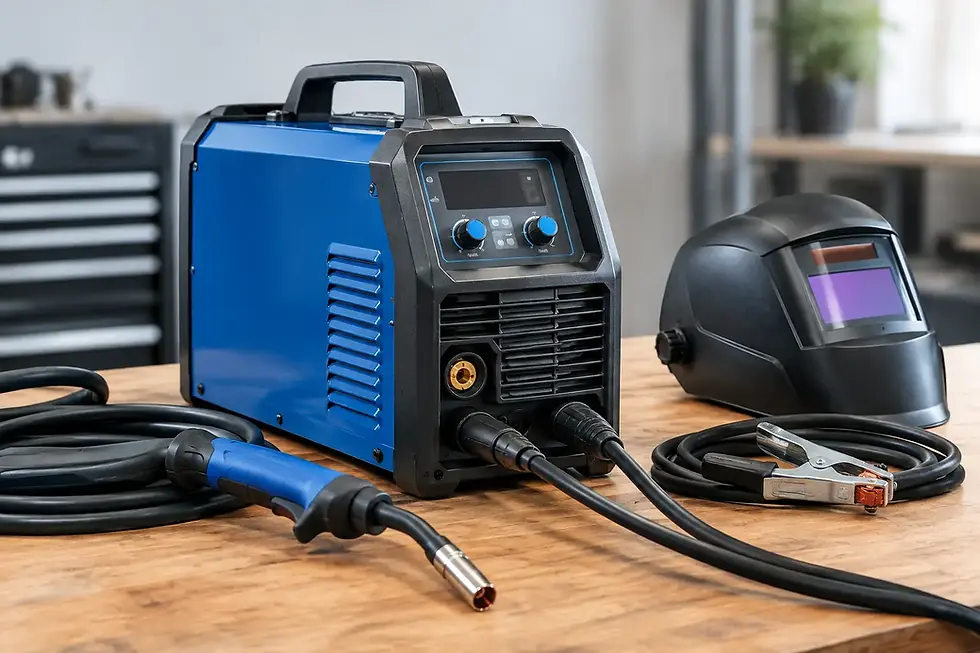
MIG is the workhorse for most automotive shops. It is fast to learn, efficient for mild steel, and useful across a wide range of projects. A 120-volt MIG machine can handle light body panels, exhaust brackets, small repairs, and basic fabrication when set up properly. It is a practical choice for a garage where electrical service is limited.
For heavier chassis work, frame repair, thick brackets, and regular fabrication, a 240-volt MIG welder gives you more headroom. More capacity does not mean you should run it hot on sheet metal. It means the machine is less likely to be maxed out when you move from a thin patch panel to 3/16-inch plate.
Use solid wire with shielding gas for clean automotive work. Flux-core wire has its place for outdoor repairs and dirty steel, but it creates more cleanup and can make thin sheet metal harder to manage. For restoration work where the weld will be ground, primed, and painted, clean metal and gas-shielded MIG are usually the better route.
TIG welding for precision and aluminum
TIG is slower, but it gives the operator serious control. That matters on aluminum intake work, intercooler plumbing, fuel tanks, stainless exhaust systems, and visible fabrication where appearance counts. A quality AC/DC TIG machine opens the door to both steel and aluminum work, making it a strong fit for shops building custom performance parts.
The trade-off is time and skill. TIG demands cleaner material, better fit-up, and more practice than MIG. It is not the fastest way to weld a floor pan, and it should not be purchased just because it looks better on social media. Buy TIG when your projects call for clean, controlled welds on aluminum, stainless, chromoly, or detailed steel components.
A foot pedal, reliable torch, gas lens setup, tungsten assortment, and filler rod selection are part of the purchase, not add-ons to think about later. If you are welding aluminum, proper AC balance control and enough amperage matter more than flashy settings you will never use.
Stick welding for heavy repair work
Stick welding is less common in a clean automotive fabrication bay, but it still earns its place around heavy equipment, trailers, structural repair, and outdoor work. It is forgiving of less-than-perfect conditions and does not rely on shielding gas that can get blown away by wind.
For fine vehicle sheet metal, it is the wrong tool. For thick steel where portability and simple setup matter, it remains a dependable option. Some multi-process machines make sense for shops that need MIG for fabrication and stick capability for heavier repairs without buying separate machines.
Consumables That Keep the Weld Clean
Do not spend your budget entirely on the machine. Consumables determine whether the machine can work consistently through an entire project. Keep the basics on hand before you start a major restoration or chassis build:
Contact tips in the correct size for your wire, plus spare nozzles and diffusers.
Replacement liners, drive rolls, and torch parts matched to your wire diameter.
Fresh MIG wire, TIG filler rod, tungsten electrodes, and dedicated storage to keep them clean.
Shielding gas, a reliable regulator, and hoses checked for leaks before welding begins.
Welding clamps, magnetic fixtures, copper backing tools, and a solid ground clamp.
Wire choice should follow the material and job. Standard mild-steel wire works well for clean steel fabrication. Silicone bronze is useful for certain thin-sheet repairs where lower heat is beneficial, though it is not a substitute for structural welding. Stainless and aluminum require the correct wire, liner setup, drive rolls, and gas coverage. Trying to force one setup to do every material usually creates bird-nesting, contamination, and frustration.
Preparation supplies are just as critical. Strip paint, rust, oil, seam sealer, undercoating, and galvanizing away from the weld zone. Use abrasives that leave clean metal, then wipe the area with the correct cleaner. Welding over contamination causes porosity, unstable arc behavior, and fumes nobody needs to breathe.
Safety Gear Is Part of the Welding Setup
Welding safety is not a place to cut corners. A quality auto-darkening helmet with the right shade range makes it easier to position the torch accurately before striking an arc. Clear visibility reduces missed starts and ugly welds, especially when working under a dash, inside an engine bay, or around a wheel tub.
Use leather gloves matched to the process. MIG gloves need enough dexterity for trigger and torch control. TIG gloves should be thinner for filler rod work. A welding jacket or sleeves protect against sparks, and proper boots prevent hot slag from finding its way into places it should not be.
Ventilation matters even in a large shop. Position fume extraction close to the work when possible, especially around coated steel, galvanized materials, and enclosed vehicle structures. Remove flammable materials, keep an extinguisher nearby, and check the opposite side of any panel before welding. A spark can travel farther than expected through seams and cavities.
Build a Setup That Fits Your Next Three Projects
The smartest welding purchase is not based on one repair. Think about the next three jobs on your schedule. If they include floor pans, frame connectors, and engine bay brackets, a capable MIG setup with solid consumable support is likely the foundation. If aluminum tubing, intercooler piping, and stainless exhaust work are frequent, add AC/DC TIG capability where it will actually earn its keep.
GTPRACING serves builders who move between restoration metalwork and race-oriented fabrication, so the goal is not to fill the shop with equipment for its own sake. It is to have the machine, gas, wire, protection, and prep tools needed to finish the job without compromising the part.
Before buying, check your available power, the thickest material you will weld, the thinnest panel you cannot afford to ruin, and the replacement consumables you will need on a Saturday night. Buy for those realities, set the machine up correctly, and your next repair will look less like a temporary fix and more like work that belongs on the vehicle.


Comments