


GTP Racing: Parts That Finish the Job
- ERIC GIROUX
- Jun 22
- 6 min read
The difference between a stalled project and a finished one usually comes down to parts, tools, and knowing what actually works together. That is where gtp racing makes sense for builders who are not just chasing horsepower, but trying to get a car, truck, or race setup done right the first time.
A lot of shops and online retailers force you into a lane. They either speak restoration or they speak motorsports. Real builds do not work that way. One week you are stripping rust off a frame, sealing bare metal, and welding patch panels. The next week you are plumbing fuel, sorting EFI, mounting electronics, or stepping up to forced induction. If you build cars long enough, you know those worlds overlap fast. https://www.gtpracing.com/
What gtp racing really means for builders
For a serious DIY builder or a small shop, gtp racing is not just about race parts. It is about having one source that understands the full chain of work. Surface prep matters. Coatings matter. Fabrication matters. Wiring matters. Tuning matters. If one of those steps is handled poorly, the final result suffers no matter how good the shiny parts look in the box. https://www.gtpracing.com/shop-online That matters whether you are reviving a classic muscle car, refinishing a truck frame, putting together a street and strip combo, or updating an older build with modern fuel and ignition control. You need products that match the job, not generic advice. A rust encapsulator is not a substitute for proper metal repair. A cheap welder will not make thin sheet metal easier to control. An EFI system with the wrong feature set can cost more in time than it saves in parts.
That is why experienced builders buy by application. They want to know what holds up on a chassis, what sprays clean, what welds consistently, what tunes accurately, and what survives heat, vibration, and abuse.
GTP racing across restoration and performance
https://www.gtpracing.com/gtp-special
The strongest part of a supplier built around gtp racing is that it covers both the ugly work and the exciting work. Every experienced fabricator knows the ugly work comes first. Rust removal, metal prep, seam sealing, frame coating, primer, filler work, and paint correction are not glamorous, but they set the baseline for everything else. https://www.gtpracing.com/paint
Once that foundation is solid, performance parts actually have a chance to do their job. A well-built engine deserves a fuel system that delivers. A power adder setup needs reliable ignition and proper tuning hardware. Chassis upgrades only pay off if the structure underneath is sound and protected.
This is where product selection matters. Builders need access to real coatings, real fabrication equipment, and real tuning hardware from brands with proven track records. Eastwood products make sense when the job is metal repair, refinishing, powder coating, paint, or shop equipment. KBS Coatings products fit where long-term corrosion protection and tough chassis or frame finishes are the priority. FuelTech belongs in the conversation when the build needs modern engine management, dash integration, and race-focused electronics. Holley, ProCharger, and Dart Heads fit when airflow, fueling, and power goals move beyond basic bolt-ons. https://www.gtpracing.com/powder-coat-paint
There is no single perfect brand for every project. That is the point. The right supplier gives you enough range to build based on the vehicle, the budget, and the intended use.
Choosing parts for the job, not the hype
A lot of wasted money in this industry comes from buying the part that gets talked about most instead of the part that fits the work. For example, a builder doing frame and chassis refinishing needs to think about prep requirements, chemical resistance, chip resistance, and ease of touch-up. A paint system has to match the user’s equipment and skill level. A welding setup has to fit the material thickness and the type of fabrication being done.
The same goes for performance. EFI and tuning hardware should be chosen around engine combination, future expansion, sensor needs, and the person actually calibrating the vehicle. If the car will grow from naturally aspirated to boost later, buying a system with more headroom now can save money. If the build is simple and street-driven, overspending on race-only features may not help. https://www.gtpracing.com/gtp-special?page=3
There is always a trade-off. Premium products usually save time, improve consistency, or widen your tuning window. Lower-cost options can still work, but they often ask for more patience, more skill, or more compromise. Good builders know where they can save and where they should not.
Where most builds go sideways
https://www.gtpracing.com/gtp-special?page=2
The usual failure points are not a mystery. People rush prep, mix product systems carelessly, underestimate heat management, or wire a high-dollar engine package like it is a lawn tractor. Then they wonder why the finish fails, the tune drifts, or the car becomes unreliable.
On the restoration side, skipping proper rust treatment and coating steps almost always comes back later. Trapped corrosion does not care how nice the topcoat looks. On the fabrication side, poor fit-up and weak weld quality show up once the vehicle sees vibration and load. On the tuning side, bad grounds, sensor noise, and sloppy installation create problems that no laptop can fully fix.
That is why a parts source with real shop credibility matters. Experience changes what gets recommended. It pushes buyers toward products that solve known problems, not parts that only look good on a product page.
Tools and shop gear matter more than people admit
https://www.gtpracing.com/
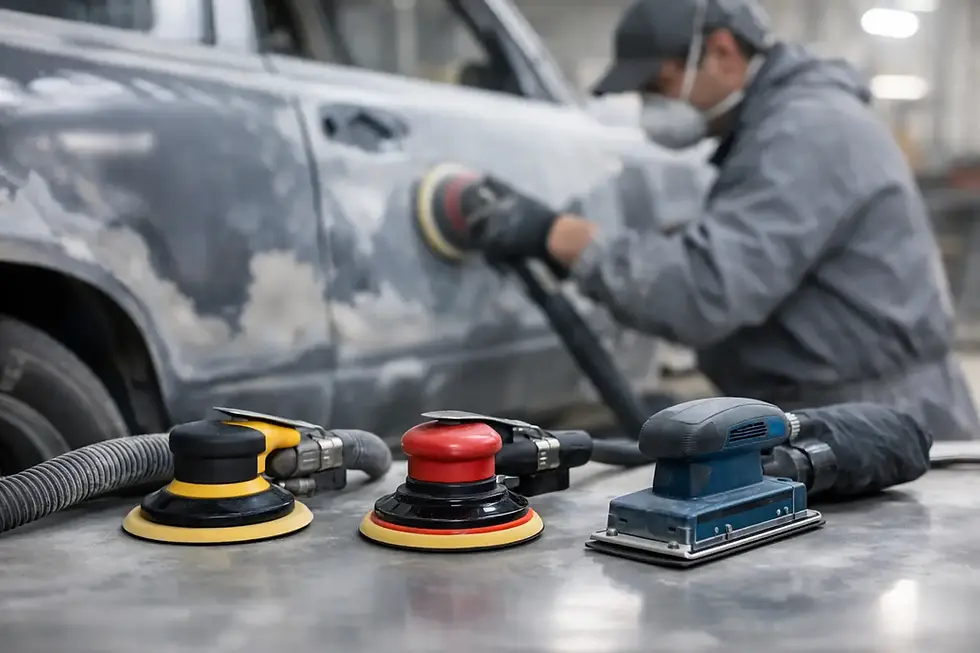
There is a tendency to spend big on engine parts and then cheap out on the equipment needed to install and finish them. That is backwards. Good shop equipment speeds up every stage of the build. A dependable MIG or TIG welder, proper abrasive blasting setup, solid paint tools, and accurate measuring equipment do more for final quality than most people want to admit.
The same applies to consumables. Cutoff wheels, abrasives, prep chemicals, primers, seam sealers, masking materials, and coatings are not filler items. They are what make fabrication cleaner, paint more durable, and repairs last longer. Builders who understand this usually finish more projects because they are not constantly fighting their tools or redoing bad prep.
For small shops, there is also a business case. Equipment that saves labor pays for itself faster than a flashy upgrade that adds little throughput. If a coating system cuts comeback risk or a better welding setup reduces rework, that is real money.
Why one-source buying helps on complex builds
Complex projects get expensive fast, and the hidden cost is usually time. Every time you stop because you are missing prep supplies, a fitting, a wiring component, or the right coating, the build slows down. Momentum matters. Having access to restoration supplies, fabrication tools, paint materials, and race-ready components in one place reduces those interruptions.
That does not mean every project should be built from a single brand family. It means your sourcing should be practical. If you can order metal repair materials, frame coatings, blasting supplies, tuning electronics, and performance parts from one knowledgeable supplier, you spend less time chasing boxes and more time moving the build forward.
For Canadian buyers, that can be even more useful when product availability and cross-border sourcing create delays. Getting what you need from a supplier that understands both restoration and performance work is not just convenient. It keeps projects alive.
Who gtp racing fits best
If your work stops at cosmetic bolt-ons, this kind of supplier may be more than you need. But if you are repairing rust, coating chassis parts, fabricating brackets, upgrading fuel systems, wiring EFI, tuning on the dyno, or piecing together a car that has to run hard and hold up, gtp racing fits the way real projects happen. https://www.gtpracing.com/procharger
It works for the home builder trying to bring an older vehicle back properly. It works for the racer who needs dependable electronics and hardware. It works for the small shop that wants fewer purchasing headaches and better results. And it works especially well for builders who understand that performance is not separate from preparation. The fast cars and reliable restorations are usually the ones built by people who respect both.
GTPRACING sits in that lane for a reason. The mix of coatings, fabrication equipment, paint systems, welding supplies, tuning electronics, and race components reflects what experienced builders actually need when a project moves from teardown to final tune.
The best part is simple. You do not need a supplier that only sells speed or only sells restoration. You need one that helps you finish what you started, with parts and tools that make sense when the work gets real.


Comments