


Peinture Châssis Camion Canada Done Right
- ERIC GIROUX
- Aug 4
- 6 min read
A peinture châssis camion Canada job is not about making the underside look black for a weekend. It is about stopping corrosion where it starts, sealing bare steel correctly, and applying a finish that can take gravel, water, road salt, heat, and hard use. If the frame is still on the truck, prep work is usually the difference between a coating that lasts years and one that peels after one season.
A truck chassis has a rough life. Frame rails catch sand, mud, de-icing chemicals, and moisture behind brackets, crossmembers, fuel tank straps, and suspension mounts. A good coating system needs to work as a system: cleaning, rust treatment where needed, primer, and a durable topcoat. Skip one step and the expensive paint is only covering a future problem.
Peinture châssis camion Canada starts with metal prep
Do not paint over loose rust, flaky factory coating, oily dirt, or old undercoating that is lifting at the edges. A wire wheel can make a frame look clean from a distance while leaving corrosion packed in pits and seams. That is why abrasive blasting remains the best option when the chassis is removed from the truck or when access is good enough to do the job properly.
Blasting gives you a clean, textured surface that lets primer bite into the steel. It also exposes thin metal, cracked welds, previous repairs, and hidden rust pockets before they become a bigger job. For full restorations, this is the point to repair weak areas, weld patches, replace damaged mounts, and clean up unnecessary brackets.
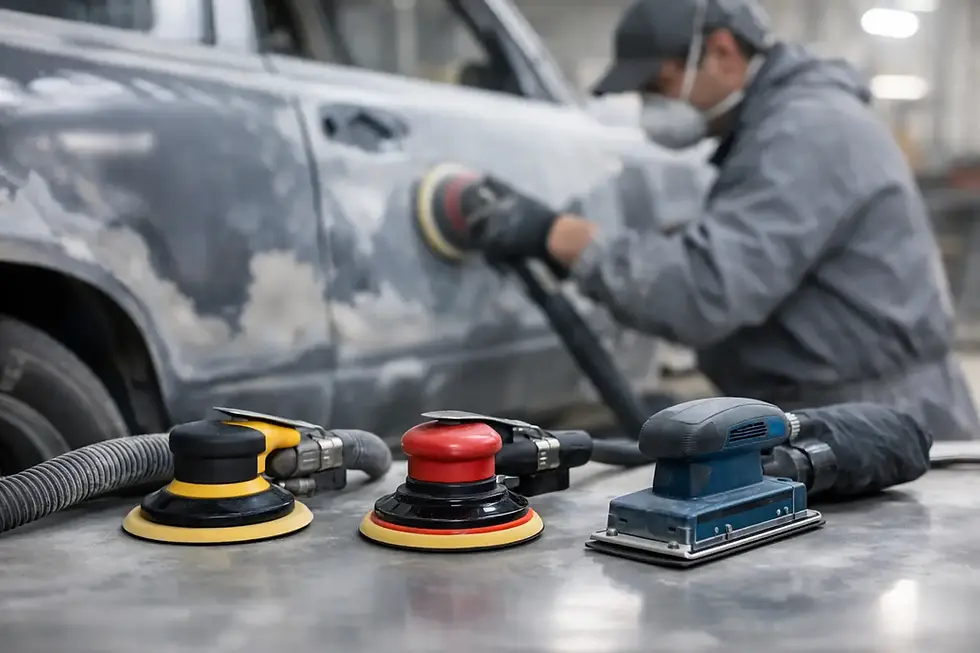
Not every project needs a bare-frame blast. On a working truck with solid original coating, remove all loose material, feather the sound edges, degrease thoroughly, and mechanically abrade every surface that will be coated. Use abrasive discs, flap wheels, stripping tools, and wire brushes where they actually fit. Tight corners, spring hangers, and boxed sections take patience. There is no spray can that replaces access and preparation.
Degreasing matters more than most people think. Oil from a leaking transmission, road film, silicone-based detailing products, and wax residue can cause fish eyes or adhesion failure. Clean first, then sand or blast, then clean again with a proper surface cleaner. Wear clean gloves after final prep. Bare steel does not stay clean for long, especially in a humid shop.
Choose a coating system for how the truck is used
The right chassis paint depends on the truck, its condition, and the finish you expect. A show truck, a trail rig, a farm truck, and a restored pickup that sees wet spring roads do not need the exact same system.
For bare or heavily stripped steel, start with a corrosion-resistant primer designed for automotive chassis work. Epoxy primer is a strong foundation because it seals metal well and provides a stable base for many compatible topcoats. If the frame has light pitting that cannot be completely removed without thinning the steel, use a rust-converting or rust-encapsulating product only after removing all loose scale. These products are not magic. They work best on tightly adhered rust, not on flakes you can knock off with a scraper.
A chassis topcoat needs more than a nice finish. It must resist chips, solvents, moisture, and abrasion. Satin and semi-gloss black are common choices because they look correct on many classic and late-model truck frames, hide minor imperfections better than full gloss, and are easier to touch up. Full gloss can look sharp on a detailed build, but it shows every weld, pit, sanding mark, and scratch.
For areas exposed to direct stone impact, consider a tougher protective coating over properly prepared and primed metal. This is especially useful around wheel wells, inner frame rails, skid plates, and lower crossmembers. Do not apply thick rubberized material over active rust or unprepared steel. It can trap moisture and make future inspection harder.
Spray, brush, or roll?
Spraying gives the most even finish and is the best choice for a bare chassis or a highly detailed restoration. It also reaches around brackets and contours more consistently when you use the right gun setup. The trade-off is overspray, masking time, ventilation requirements, and equipment cleanup.
Brushing and rolling are practical for an in-place frame refresh, particularly when access is limited. Quality chassis coatings can level well when applied in thin, controlled coats. A brush is also useful for seams, welds, corners, and areas a spray gun will miss. The finish may not be show-level, but a well-prepped brushed coating beats a poorly prepared sprayed finish every time.
Aerosol products have a place for small repairs, brackets, crossmembers, and touch-ups. They are not the best answer for a complete truck frame unless the job is very small and expectations are realistic. The film build is limited, and consistency across a full chassis is difficult.
Do not ignore boxed sections and hidden rust
The outside of the frame gets attention because you can see it. The inside of boxed rails is where many trucks fail. Moisture enters through factory holes, drain openings, damaged plugs, and body-mount areas. It sits inside the frame with dirt and salt until rust works from the inside out.
Before coating the outside, inspect drain holes and clean out packed debris. Blow out loose dirt, let the chassis dry completely, and treat internal sections with a cavity coating designed to creep into seams and protect hidden metal. Use extension wands to reach as far into the rails as possible. Keep drain paths open. Sealing every opening without providing drainage can create a moisture trap.
Pay close attention to leaf spring mounts, cab mounts, bed supports, rear crossmembers, and fuel tank areas. These spots hold debris and are often hidden until a repair turns into fabrication work. If the truck is already apart, take advantage of the access. It is much easier to protect a bare frame than to repair it later around lines, tanks, and suspension components.
Application details that keep the coating on the truck
Temperature and humidity affect curing, flow, and adhesion. Follow the coating manufacturer's mixing, reducer, induction, and recoat instructions. Cold metal can cause poor flow and slow curing. Excessive humidity can interfere with certain products and encourage flash rust on freshly blasted steel.
Apply multiple controlled coats instead of one heavy coat. Heavy application may look wet and glossy at first, but it can sag, trap solvent, and cure poorly. Make sure edges, welds, rivets, and bracket joints receive enough coverage. These areas are usually the first to chip because the coating is thinner on sharp edges.
Mask brake lines, wiring, bushings, exhaust components, driveshaft surfaces, and threaded areas before painting. If the suspension is apart, coat individual parts separately when possible. Control arms, axle housings, brackets, and crossmembers are easier to clean and finish off the truck. Keep mating surfaces and grounding points clean where electrical contact is required.
Once the coating has cured, reassemble carefully. Fresh paint can be damaged quickly by dragging hardware, forcing bushings into place, or tightening brackets against an unprotected finish. Touch up chips immediately. A small exposed spot is easier to fix than a rust blister under a finished frame.
Match the product to the project, not the label
A low-cost black paint may look acceptable on day one, but a chassis is a poor place to gamble on unknown compatibility or thin film build. Use products made for automotive restoration and truck chassis service, then follow the complete system instructions. GTPRACING carries restoration-grade coating, prep, blasting, fabrication, and paint equipment for builders who want to do the work once and get back to the road.
There is also a point where coating is not the fix. If a frame rail is perforated, a spring hanger is separating, or the metal is thin around a structural mounting point, stop painting and assess the repair. Rust treatment protects remaining metal. It does not restore strength to metal that is already gone.
A clean chassis coating makes maintenance easier, but it still needs inspection. Wash mud and salt from the frame, check high-impact areas after winter or trail use, and repair chips before corrosion starts under the finish. Put the same care into the hidden areas as the visible ones, and your truck frame will stay ready for work, cruising, or the next build phase.


Comments