


Rust Encapsulator Canada: What to Use
- ERIC GIROUX
- Jul 21
- 6 min read
If you are searching for a rust encapsulator Canada builders can actually use with confidence, you are probably not working on a showroom toy. You are staring at a frame, floor pan, axle housing, core support, or underbody part that has already seen real weather and real corrosion. The question is not whether rust is there. The question is whether you need to stop it, seal it, and move the project forward without wasting time on the wrong coating.
That is where rust encapsulator products earn their keep. They are built for metal that is rusty but still structurally sound, and they give restorers, fabricators, and small shops a way to lock down corrosion before it keeps spreading. Used correctly, they save parts that do not need replacement yet. Used incorrectly, they create a false sense of progress and leave rust working underneath.
What a rust encapsulator actually does
https://www.gtpracing.com/product-page/rust-encapsulator-internal-frame-coating-plus-combo-kit-eastwood-canada
A rust encapsulator is not magic, and it is not a substitute for cutting out rotten steel. It is a coating designed to bond to properly prepared rusty metal and isolate the corrosion from moisture and oxygen. That barrier is what slows or stops further rust growth.
This matters because a lot of projects sit in the middle ground. The metal is too rusty for standard topcoat-only paint work, but not far gone enough to justify replacing every panel or bracket. Think suspension parts with scale, truck frames with surface corrosion, floor sections that are ugly but solid, or underhood pieces that need protection before reassembly.
For that kind of work, a rust encapsulator gives you a practical path. Wire brush, strip loose scale, clean the surface, coat it, and keep building. That is a different job than full bare-metal restoration, and the product choice should reflect that. https://www.gtpracing.com/so/62PytKQ5c?languageTag=en
Rust encapsulator Canada buyers should look for
Not every rust coating is worth using on a real vehicle project. If you are buying a rust encapsulator in Canada, the first thing to check is application fit. Some products are meant for brush use on frames and chassis. Others are better for spray application on broader surfaces where finish consistency matters.
The second factor is topcoat compatibility. Some encapsulators can be left as-is in low-UV areas like the underside or inside a frame section. Others need a topcoat if they will see sunlight. That matters on engine bays, inner fenders, suspension components, and any visible metal where appearance counts.
The third factor is cure behavior. Fast cure can be a big advantage when you are trying to keep a job moving, but it also narrows your working window. If you are brushing a complicated frame with seams, brackets, and overlapping sections, a product that levels well and gives decent work time is easier to live with.
And then there is the obvious issue - availability. Canadian buyers need products that are actually stocked, support the rest of the job, and fit a broader workflow. If you still need chassis black, primers, seam sealer, blasting media, weld-through coatings, or abrasives, buying into a system makes more sense than piecing together random chemistry.
Where rust encapsulators work best
https://www.gtpracing.com/product-page/eastwood-canada-rust-protection-kit-rust-protection-paint
The best use case is surface rust and moderate scale on solid metal. Frames, subframes, suspension arms, axle housings, crossmembers, battery trays, trunk floors, seat brackets, and underbody sections are all common targets. These parts usually need protection more than cosmetic perfection.
They also make sense on hard-to-replace original pieces. On older cars and trucks, preserving factory metal is often better than swapping in questionable aftermarket parts. If the metal still has integrity, encapsulating it after proper prep can buy years of service.
Where they do not belong is on flaking, swollen, perforated steel that is already structurally compromised. If you can poke through it, break chunks off by hand, or see deep lamination in the metal, stop coating and start cutting. No paint fixes bad steel.
Prep is where the job is won or lost
https://www.gtpracing.com/product-page/eastwood-after-blast-metal-prep-11971zp
This is the part people try to rush, and it is why some rust jobs fail early. A rust encapsulator needs a stable surface. That does not mean shiny bare metal everywhere, but it does mean removing loose rust, scale, grease, and contamination.
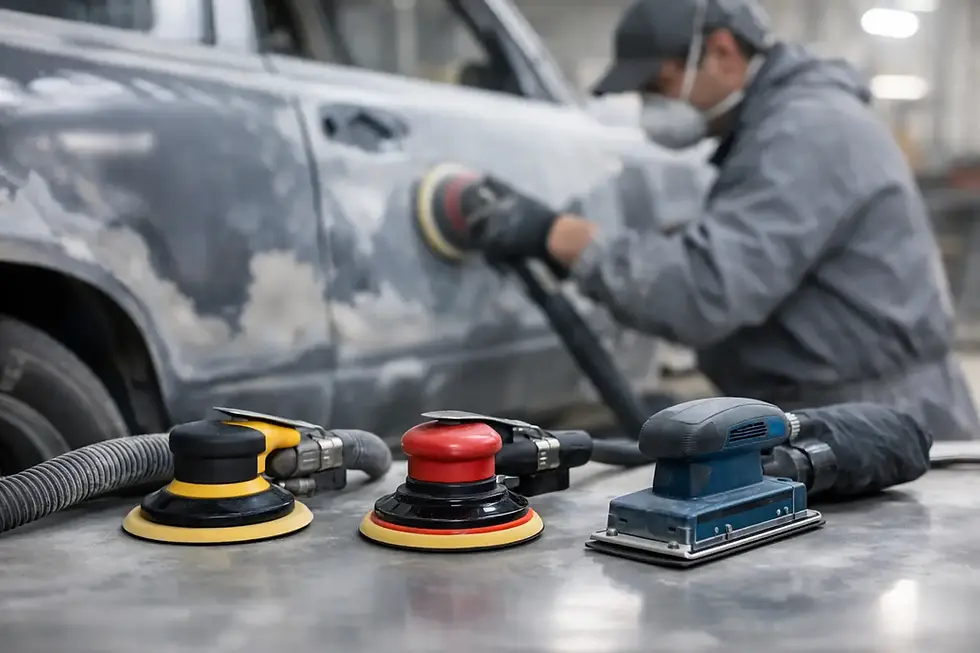
A wire wheel, abrasive blasting, stripping disc, scraper, and degreaser are usually part of the process. On heavier corrosion, blasting is often the right move because it gets into pits and texture that hand tools miss. On lighter work, aggressive mechanical cleaning can be enough if you are honest about the condition of the metal.
Oil and road grime are just as much of a problem as rust. Frames and underbodies collect years of contamination, and coating over that is asking for adhesion trouble. Clean first. Then clean again. If you are welding nearby, finish fabrication before final coating so you are not burning through fresh material you just applied.
A lot of builders also skip seams, edges, and backside exposure. That is a mistake. Rust starts and spreads in overlaps, pinch welds, brackets, and hidden corners. If the part design traps moisture, your coating strategy has to account for that.
Brush,https://www.gtpracing.com/product-page/eastwood-canada-rust-encapsulator-plus-chassis-restoration-kit-98446 spray, or aerosol?
It depends on the part and the finish you want. Brush-on rust encapsulator is often the best choice for frames, suspension parts, brackets, and awkward shapes. It lays down heavier, works well into texture, and wastes less material when the geometry is ugly.
Sprayable versions make more sense when coverage speed matters or when you want a more even finish on broad surfaces. They are useful for chassis work, wheel wells, and larger underbody sections if you have the setup and the space to do it right.
Aerosol has its place for spot repairs, small parts, touch-up, and jobs where dragging out a gun makes no sense. It is convenient, but convenience is not the same as production efficiency. If you are doing a full frame or multiple components, cans get expensive fast and usually do not give the same film build as brush or gun application.
Choosing between Eastwood and KBS Coatings
https://www.gtpracing.com/kbscoating1
For this type of job, most buyers are looking at known names with a track record in restoration and chassis work. Eastwood and KBS Coatings both fit that lane, and the right choice usually comes down to how you work.
Eastwood products are popular with DIY restorers because the system is easy to understand and the application range is broad. If your project mixes rust repair, chassis refinishing, primers, seam sealer, and topcoats, staying within one product family can simplify the job.
KBS Coatings is a strong option when you want a serious protective coating system built around tough service environments. Builders using it on frames, undercarriages, and heavy-duty metal parts usually care more about long-term protection than appearance alone. That is often the right mindset for trucks, drivers, off-road builds, and anything that will keep seeing rough conditions.
The trade-off is simple. Some products are easier to apply and recoat, while others are chosen because the cured film is extremely tough. You need to match the coating to the way the vehicle will be used, not just how it will look the day it leaves the shop.
What Canadian conditions change
Canada is hard on steel. Road salt, freeze-thaw cycles, wet spring roads, and long storage periods create exactly the kind of environment that keeps rust active. That makes product choice more than a cosmetic decision.
For Canadian buyers, underbody and frame protection usually deserve extra attention. A part that looks decent after summer cleanup can hide active corrosion from winter exposure, especially around seams, brackets, and boxed sections. If the vehicle will see the road again, you want a coating that can handle moisture, abrasion, and temperature swings.
That is also why cheap paint is rarely a good substitute. Standard paint over rusty steel might look finished for a while, but if it is not designed to deal with corrosion underneath, it tends to fail where the rust was strongest to begin with.
Common mistakes that waste time and money
The first mistake is coating over loose rust. If the surface is unstable, the coating has nothing reliable to hold onto. The second is using an encapsulator where the steel should have been replaced. That turns repair work into delay.
The third is ignoring recoat windows and topcoat requirements. Some coatings need a specific timing window for best adhesion between layers. Miss that window and you may be sanding more than you planned.
The fourth is treating rust repair as a single-product job. Real projects often need cleaners, abrasives, seam sealer, chassis paint, cavity protection, and the right tools to prep properly. That is one reason serious builders source from shops that understand the whole workflow, not just one can on the shelf.
When a rust encapsulator is the right call
https://www.gtpracing.com/product-page/eastwood-canada-seam-sealer-and-rust-encapsulator-plus-kit-98457
If the metal is solid, the corrosion is manageable, and the goal is to protect original parts or move a restoration forward without unnecessary replacement, a rust encapsulator is the right tool. It is especially useful on drivers, trucks, chassis parts, and race or street builds where function matters and downtime costs more than perfection.
If you are already in the middle of a rust repair, frame refinishing, or underbody cleanup, do the job right the first time. Strip it, clean it, coat it with something made for the task, and build on a surface you can trust. That is how rusty parts get a second life instead of becoming the reason the project comes back apart next season.


Comments