


Where Can I Find Automotive Paint in Canada?
- ERIC GIROUX
- Jun 22
- 6 min read
If you're asking where can I find automotive paint and tools in Canada, the real question is usually bigger than paint alone. Most jobs stall because the painter or builder can find one piece of the process, but not the rest - primer without reducer, a gun without the right tip, rust treatment without topcoat, or body tools that are too light-duty for real shop work.https://www.eastwoodcanada.com/
That is why the best place to buy is not just a paint seller. You want a supplier that understands the whole workflow: rust removal, metal prep, filler work, primer, seam sealing, chassis coating, topcoat, polishing, and the tools to get it all on the car correctly. For a DIY restoration guy, a race car builder, or a small shop trying to keep jobs moving, one-stop sourcing matters.
Where can I find automotive paint and tools in Canada? https://www.gtpracing.com/
https://www.eastwoodcanada.com/paint
Start with a supplier built around automotive restoration and fabrication, not a generic hardware catalog. A proper source should carry automotive paint systems, primers, reducers, hardeners, spray guns, masking supplies, abrasives, rust coatings, chassis finishes, and the shop equipment that supports the job. If you're patching quarter panels, refinishing an engine bay, coating a frame, or repainting fabricated parts, those categories need to work together.
This is where buyers usually separate into two groups. One group needs a simple solution for a weekend repair. The other is trying to build a repeatable process for serious project work. If you're in the second group, buying from a specialty automotive supplier saves time and avoids mismatch problems between coatings, prep materials, and tools.
A store like GTPRACING makes sense for that kind of buyer because the catalog is built around real project flow. You can source paint-related products, fabrication equipment, rust repair materials, chassis coatings, welding gear, and restoration tools in one place instead of piecing the job together from three or four different vendors.
What to look for when buying automotive paint and tools
The first thing to check is whether the supplier actually supports the type of work you're doing. Automotive paint is not one category. Frame refinishing, underbody coating, engine bay detailing, roll cage paint, panel refinishing, and rust encapsulation all need different products. If the catalog treats all of that like the same job, you are probably looking at a general retailer, not a real automotive source.
Brand depth matters too. Serious buyers usually want proven names, not mystery-label kits. If you're buying coatings and shop consumables, you want systems with a track record in restoration and fabrication work. That means products designed for bare metal, cured finishes, high-temp areas, rust-prone surfaces, and long-term durability.
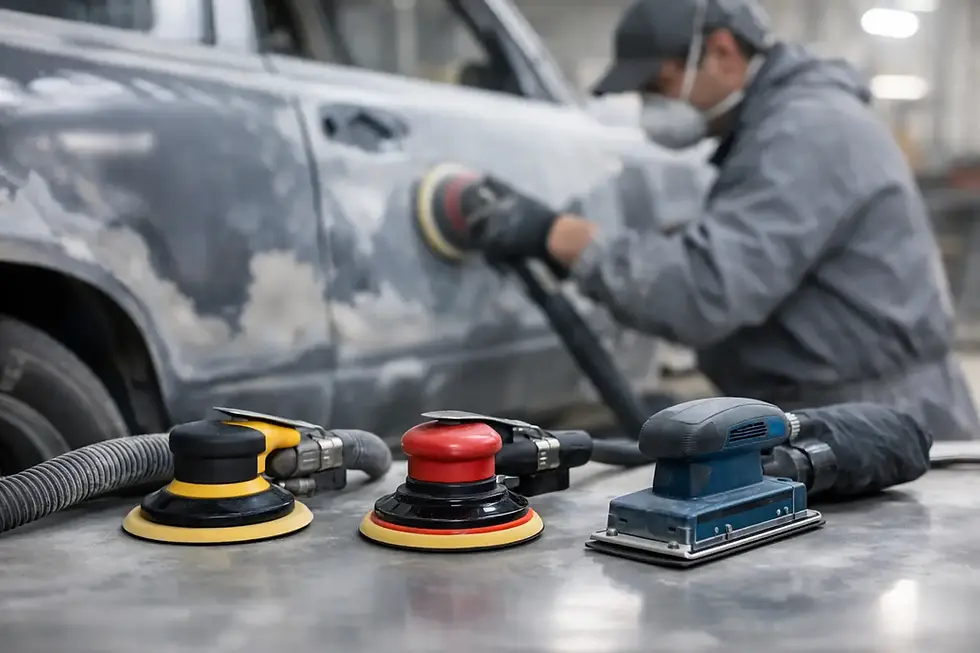
Tool quality is the next filter. Cheap body hammers, weak sanders, bargain spray guns, and low-grade masking materials almost always cost more in rework. A paint supplier worth using should also offer the shop-side tools that make prep and application cleaner, faster, and more repeatable.
Then there is technical fit. A lot of online stores sell paint and tools, but not all of them make it easy to choose the right product for your exact surface or project stage. You should be able to shop by application - rust repair, primer surfacing, chassis refinishing, blasting, welding, paint prep, and finishing - instead of guessing your way through generic product pages.
Automotive paint in Canada means more than color match
https://www.eastwoodcanada.com/paint
A lot of buyers start with the topcoat and ignore the layers under it. That is how paint jobs fail early. If the metal wasn't cleaned properly, if the rust wasn't neutralized or sealed, if the primer wasn't right for the substrate, or if the seam sealer and undercoating were skipped, the final finish only looks good for a while.
For restoration work, the better approach is to think in systems. Start with the actual condition of the part. Is it bare steel, old paint, filler, surface rust, pitted rust, aluminum, or a mix of materials? From there, match the prep method and coating stack to the part's use. A trunk floor, inner fender, frame rail, engine cradle, and exterior body panel should not all get treated the same way.
This is especially true in Canada, where climate works against you. Moisture, road salt, temperature swings, and winter storage conditions all punish weak prep and cheap coatings. If you're buying automotive paint and tools for a driver, truck restoration, or chassis refresh, durability should rank ahead of cosmetic shortcut products.
The tools matter as much as the paint
Good paint will not save a bad prep job. That is why a serious supplier should also carry the tools and consumables around the coating process. Surface prep tools, abrasive blasting equipment, sanding blocks, abrasives, masking supplies, spray equipment, weld-through coatings, rust treatment products, and metal fabrication tools all affect the final result.
If you're doing rust repair, the shopping list usually grows fast. You may need cutting tools, welding gear, clamps, panel tools, grinding discs, seam sealer, primers, chassis black, cavity protection, and paint guns before the color coat even enters the picture. Buying all of that from separate stores slows the job and increases the odds of mixing products that do not play well together.
For small shops, that problem gets expensive. Time lost waiting on missing consumables is lost labor. For DIY builders, it usually means the car sits another month. A supplier that covers welding, fabrication, coatings, and refinishing gives you a better chance of finishing the job once you start it.
Where can I find automotive paint and tools in Canada for restoration work?
https://www.eastwoodcanada.com/?currency=CAD
If your project is restoration-driven, look for a source that understands rusty metal, old coatings, patched panels, and chassis rehab - not just showroom detailing. The right catalog should include rust encapsulators, epoxy-style primers, chassis and frame coatings, underhood finishes, seam sealers, body repair tools, and abrasive prep products.
That matters because restoration work is rarely clean or uniform. One panel may need stripping to bare metal, the next needs filler and primer surfacer, and the underside needs a tougher coating system entirely. A performance and restoration supplier is better suited to that than a simple paint outlet focused only on cosmetic refinishing.
It also helps if the same supplier covers fabrication. Plenty of builds move from rust repair into metal shaping, patch panel work, welding, and then paint prep. When your source carries metalworking tools, MIG and TIG equipment, blasting gear, and coatings under the same roof, you can keep the project moving without changing vendors every step.
Online vs local buying - what actually makes sense?
If you already know exactly what you need, buying online is usually the most efficient move. You can compare product categories quickly, check stock, and build an order around your project stage instead of settling for whatever a local shelf has left. For niche restoration and race-oriented products, online specialty suppliers often have much better selection.https://www.eastwoodcanada.com/paint
Local buying still has a place if you need something immediately or need a color mixed the same day. But local stores can be hit or miss on specialty coatings, fabrication gear, race-focused hardware, or restoration-grade rust solutions. A lot of builders end up using local stores for emergency consumables and relying on specialty online suppliers for the products that actually determine job quality.
The best approach depends on your timeline. If the vehicle is down and you need to keep momentum, plan the whole coating and tool package before you start cutting or sanding. That avoids the usual stop-start cycle that kills project time.
How to choose the right supplier for your project
https://www.eastwoodcanada.com/paint
Look at the catalog like a builder, not like a casual shopper. Can you buy paint, prep, rust repair materials, fabrication tools, and supporting equipment in one order? Are the brands recognizable and project-proven? Does the store speak the language of restoration, coating, blasting, welding, and performance work, or does it read like a generic parts warehouse?
Also be honest about your project level. If you are spraying a small bracket or refinishing suspension parts, you may not need a full professional setup. If you are painting body panels, chassis components, or a full build, do not cheap out on tools and coatings that determine adhesion, finish quality, and long-term protection.
A good supplier helps you buy once and do the job right. That means useful product categories, serious brands, and enough depth to support the whole repair or build process, not just the final coat.
If you're trying to finish a restoration, clean up a frame, repaint fabricated parts, or stock a small shop, the smart move is to buy from a Canadian automotive source that understands coatings and tools as one system. The less time you spend hunting for missing pieces, the more time you spend getting metal prepped, paint laid down, and the car back together where it belongs.


Comments