


TIG vs MIG Welding for Auto Projects
If you're patching a rusted floor pan on Friday and building a turbo hot-side on Saturday, the tig vs mig welding question stops being theory pretty fast. The right machine can save a panel, clean up your fitment, and keep you from wasting time grinding out bad welds. The wrong one can turn a simple job into warped sheet metal, pinholes, and rework.
For automotive work, there isn't a single winner. MIG is usually the faster and more forgiving process. TIG gives you tighter control, cleaner appearance, and better results on thin material or specialty metals when the job demands it. What matters is the type of fabrication you're actually doing, the material you're welding, and how much time you want to spend getting there.
TIG vs MIG welding: the real difference
MIG welding feeds wire continuously through the gun while shielding gas protects the weld. It's straightforward, productive, and easy to learn compared with most other welding processes. On a restoration or fabrication job, that means you can move quickly on patch panels, brackets, exhaust hangers, seat mounts, and general steel work without stopping every few seconds to manage filler. https://www.eastwoodcanada.com/product-page/eastwood-canada-180-amp-mig-welder-with-included-spool-gun-33990
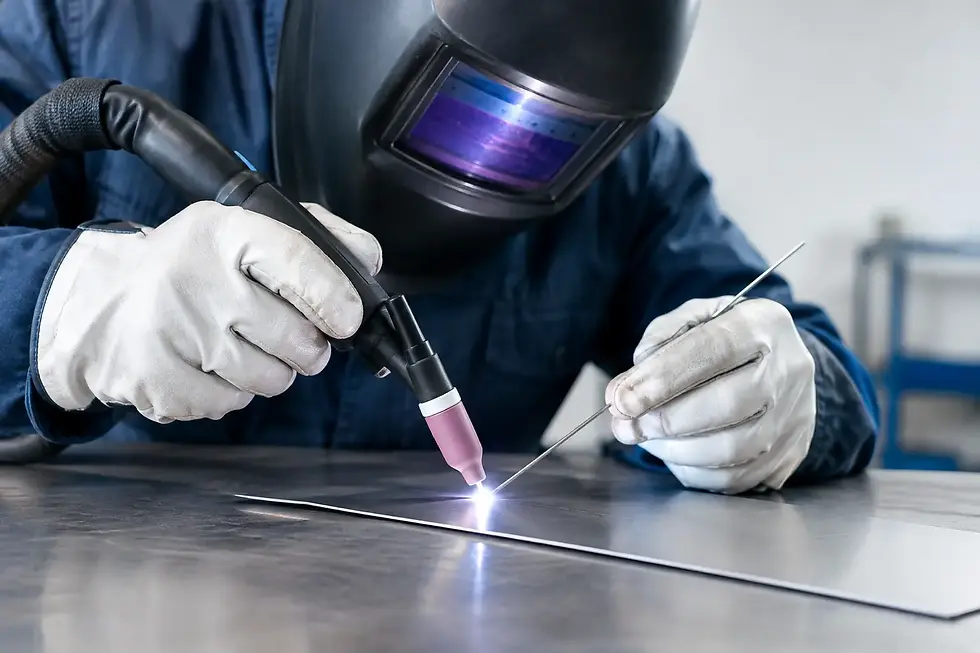
TIG welding uses a non-consumable tungsten electrode and typically adds filler rod by hand. That extra control is the whole point. You control heat input more precisely, which matters when you're working on thinner steel, stainless, or aluminum parts that can distort or burn through if you get heavy-handed. https://www.eastwoodcanada.com/product-page/eastwood-elite-tig-225-ac-dc-digital-tig-welder
In plain shop terms, MIG is usually the workhorse. TIG is the scalpel. https://www.eastwoodcanada.com/welding
When MIG makes more sense in the shop
For a lot of automotive projects, MIG is the better buy and the better daily tool. If you're replacing rusty metal, building chassis tabs, welding thicker mild steel, or doing repetitive fabrication, MIG gets the job done fast. It's especially useful for hobbyists and small shops that need solid results without a long learning curve.
On body and restoration work, a good MIG welder set up correctly can handle sheet metal very well. The key is not assuming speed means carelessness. With the right wire, gas, and settings, you can stitch panels cleanly and control heat well enough for floor pans, trunk pans, wheel housings, and basic patch work. Most people who are restoring older cars or trucks will get more immediate value from MIG because that's where a lot of the actual repair volume lives.
MIG also tends to win when fit-up isn't perfect. Real-world restoration work rarely gives you perfect clean edges and ideal gaps. A little forgiveness helps. That's one reason so many shops keep MIG ready at all times even if they also own a TIG machine.
When TIG is worth the extra time
TIG starts to pull ahead when finish, precision, and material sensitivity matter more than speed. If you're fabricating aluminum intercooler piping, welding a stainless exhaust, building a visible engine bay component, or working on thin-gauge metal where heat control is everything, TIG gives you more authority over the puddle.
That matters on parts that are going to stay visible. A clean TIG weld on a polished aluminum charge pipe or a stainless downpipe doesn't need the same cleanup and can be part of the finished look. For race and performance builds, that can justify the slower pace.
TIG also makes more sense when you're switching between materials and need a process that handles thin stainless or aluminum with better finesse. It is slower, and it does demand more skill, but there are jobs where MIG simply feels too blunt.
TIG vs MIG welding for common automotive materials
Mild steel is where MIG earns its reputation. It's efficient, affordable to run, and well suited for a wide range of repair and fabrication work. From frame reinforcements and brackets to patch panels and non-show structural parts, MIG covers a lot of ground.
TIG can weld mild steel beautifully too, especially when appearance matters or the metal is thin and heat-sensitive. But if you're knocking out practical steel work on a build, MIG is usually the first choice.
Stainless steel is more of a split decision. MIG can handle it, especially on less visible parts or production-style work. TIG is often preferred when you want cleaner, more refined welds on headers, exhaust systems, and visible fabrication.
Aluminum is where TIG really stands out, especially on thinner or appearance-critical parts. A spool gun MIG setup can weld aluminum effectively, and for thicker aluminum or production work it can be a very practical choice. But for precision aluminum fab in the automotive world, TIG is still the process many builders trust most.
Speed, cleanup, and the learning curve
MIG is faster to learn and faster to use. That's not a small advantage. If you're buying one welder to move your projects forward now, MIG will usually put usable welds in your hands sooner. You can spend less time fighting technique and more time fitting parts, measuring twice, and getting the car back together.
TIG asks more from the operator. Torch angle, filler timing, pedal control if you're using one, tungsten prep, cleanliness, and joint fit-up all matter. The reward is precision. The price is time. https://www.eastwoodcanada.com/product-page/eastwood-tig-200-ac-dc-welder-ec-33920
Cleanup is a mixed bag. MIG often needs more post-weld cleanup, especially if you're chasing appearance. Spatter and a rougher bead profile can mean grinding and finishing. TIG usually produces a cleaner-looking bead with less cleanup, but getting there takes more setup discipline and more operator skill.
So the trade-off is simple. MIG saves time during the weld. TIG can save cleanup time on the back end, but only if the operator knows what they're doing.
Cost matters more than people admit
https://www.eastwoodcanada.com/product-page/rockwood-mig-160-mig-welder-from-eastwood-canada
If you're building a home shop or adding capability to a small fab area, budget matters. MIG is generally more affordable to get into. The machines are often less expensive, the process is easier to pick up, and the overall setup for common steel work is straightforward.
TIG usually costs more on the front end, especially if you want AC capability for aluminum. Consumables, accessories, and setup expectations also tend to be less forgiving. You need clean material, proper gas coverage, and more patience. That's fine if the work justifies it. It's harder to justify if most of your jobs are rusty steel repairs and general bracket work.
That doesn't mean TIG is a luxury. It means you should buy according to the jobs you actually have, not the ones you might do once a year.
What most restoration and performance builders should buy first
If you only have room in the budget for one machine, MIG is the smarter first purchase for most automotive customers. It handles the broadest range of common jobs, especially in restoration. Rust repair, patch panels, supports, mounts, and general mild steel fabrication are where many builds spend their time. A quality MIG setup covers that ground efficiently.
If your projects lean heavily into aluminum fabrication, stainless exhaust work, intercooler piping, or show-level visible welds, TIG may be the better priority. That's especially true if you already have fabrication experience and know your work demands a cleaner, more controlled process.
A lot of serious builders end up with both for a reason. MIG keeps the shop moving. TIG handles the jobs that need finesse. https://www.eastwoodcanada.com/product-page/eastwood-mp250i-multi-process-250-amp-welder-mig-tig-arc-54500
The choice comes down to the job
The best answer to tig vs mig welding is not about which process sounds more advanced. It's about where the weld is going, what metal you're joining, how fast you need to move, and how much finish quality matters. A floor patch and a stainless merge collector do not ask for the same tool.
If you're doing practical restoration and general automotive fabrication, start with MIG and get a machine that can grow with your work. If your projects demand precision aluminum or stainless fab and appearance counts, TIG earns its place. Shops that do both kinds of work know the truth - process matters, but setup, fitment, and operator control matter just as much.
Do the job right, buy for the work in front of you, and leave room in the shop for the next level when your projects get there.


Comments